Summer ponds buzz with bluegill action. These feisty panfish hang near weeds and docks, ready to strike the right bait. Picking the best bait for bluegill in summer ponds makes all the difference in a fun day on the water.
How to Choose the Best Bait for Bluegill in Summer Ponds?
Top Live Baits
Live bait tops the list for summer bluegill. Worms work great because bluegill gobble them up fast. Cut nightcrawlers into small pieces to fit their tiny mouths—just enough to cover a size 8 or 10 hook.mdc.mo+1
Crickets and grasshoppers shine too. Bluegill love hopping insects, especially when water warms up. Thread a cricket on head-first so legs wiggle naturally. This draws strikes from picky fish hiding in lily pads.
The best live bait for bluegill stays fresh and moves right. Mealworms or red wigglers offer another solid pick. They stay on the hook well under hot sun. Drop them under a bobber near structure, and watch the tip dance. Use light line like 4-pound test for natural drift. Patience pays off as schools cruise shallow edges.
Key takeaway: Stick to small, lively pieces for steady action.
Why Corn Works Wonders?
Corn for bluegill bait surprises newcomers but delivers results. Sweet corn kernels from a can pack sweet scent that pulls fish in. Bluegill sniff it out in murky summer water.youtube+1
Push one or two kernels onto your hook. They hold firm and release color to attract attention. Fish shallow flats at dawn when bluegill feed up. This cheap option beats fancy stuff on tough days.
Pair corn with a small split shot for slow sink. It mimics natural snacks like insect larvae. I've filled limits this way on overgrown ponds. Even wary bluegill can't resist the smell. Keep extras in a jar to stay ready.
Key takeaway: Corn's scent seals deals when live bait runs short.
Artificial Bluegill Bait Options
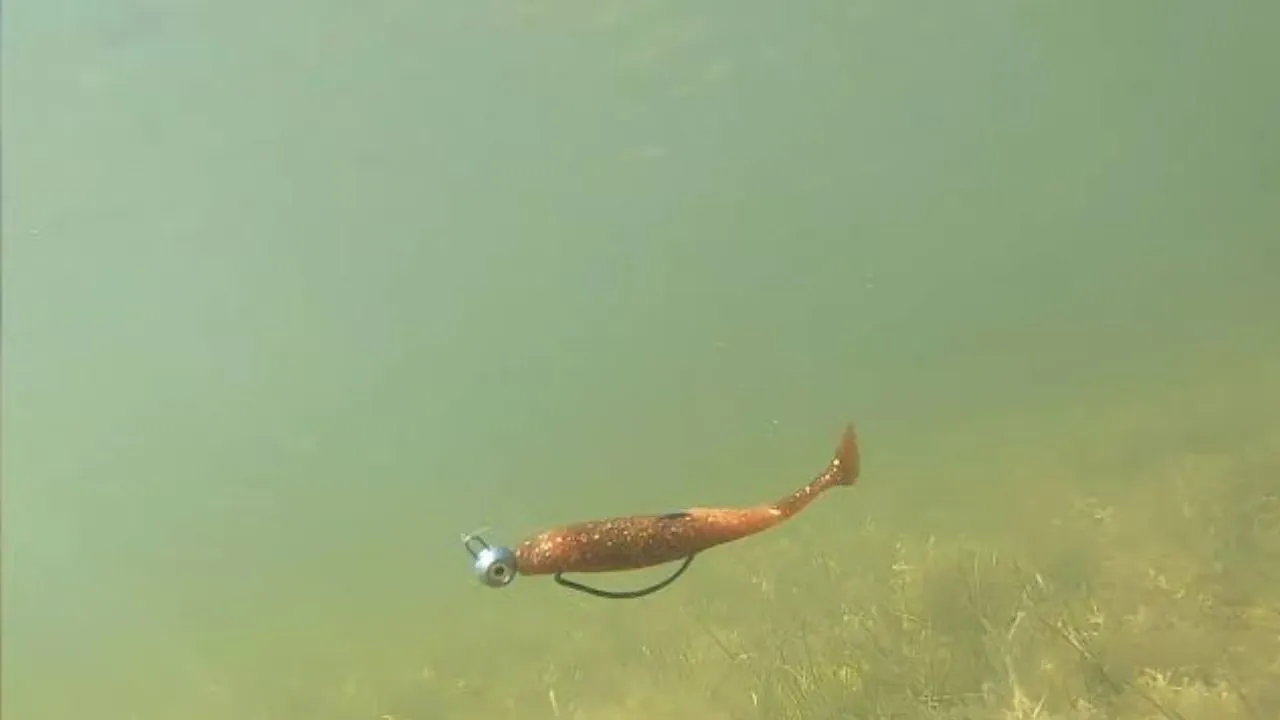
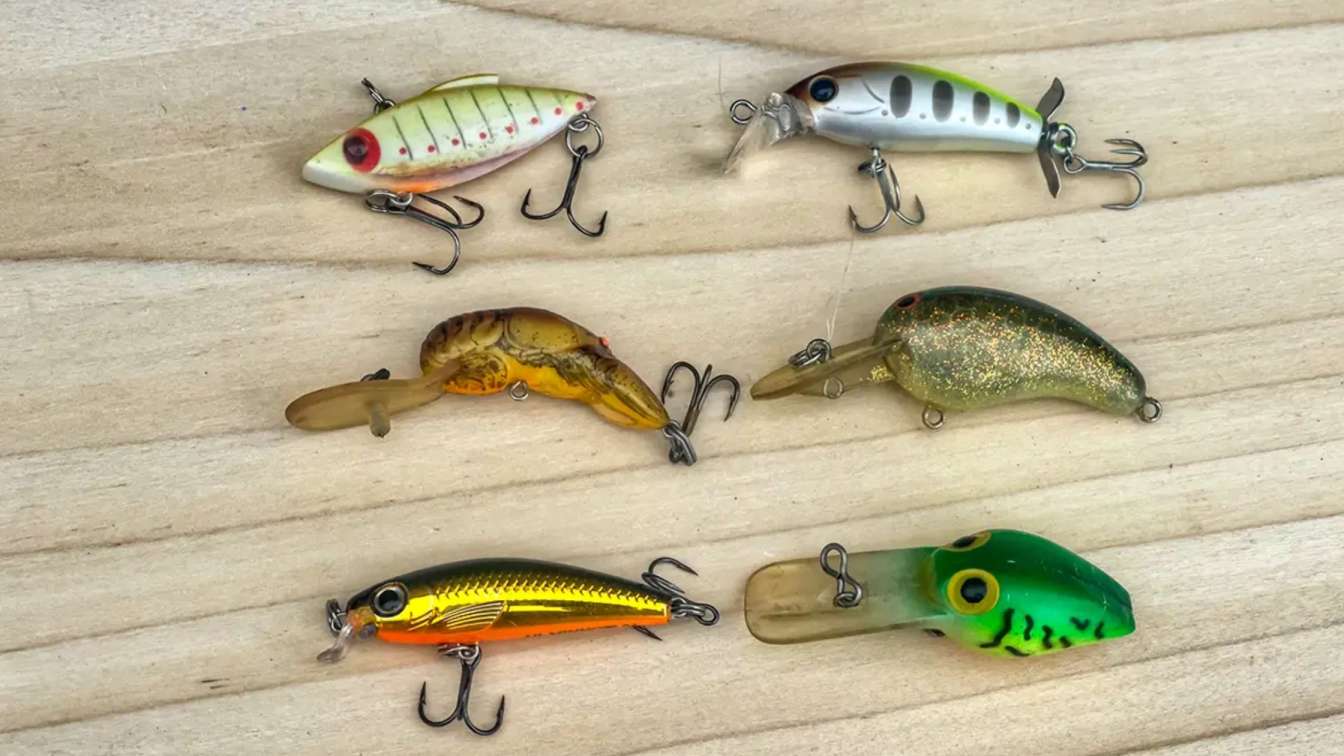
Artificial bluegill bait saves trips to the bait shop. Tiny jigs in 1/32-ounce size jiggle like bugs. Tip with worm for extra kick, or run plain in clear water.
Soft plastics shaped like minnows or grubs shine bright. Chartreuse or black works best under summer sun. Bounce them along weed edges where bluegill patrol. These hold up to toothy bites and last all day.
Lures for bluegill include poppers and spinners too. A small topwater chugger draws explosive hits at dusk. Cast near docks, let it sit, then twitch. Bluegill launch from cover to smash it. Switch colors if bites slow—pink bellies grab eyes fast.
Key takeaway: Artificals shine for all-day fishing without mess.
Read Also: Fishing Camping Ideas for Solo Travelers
Best Bait for Bluegill and Crappie
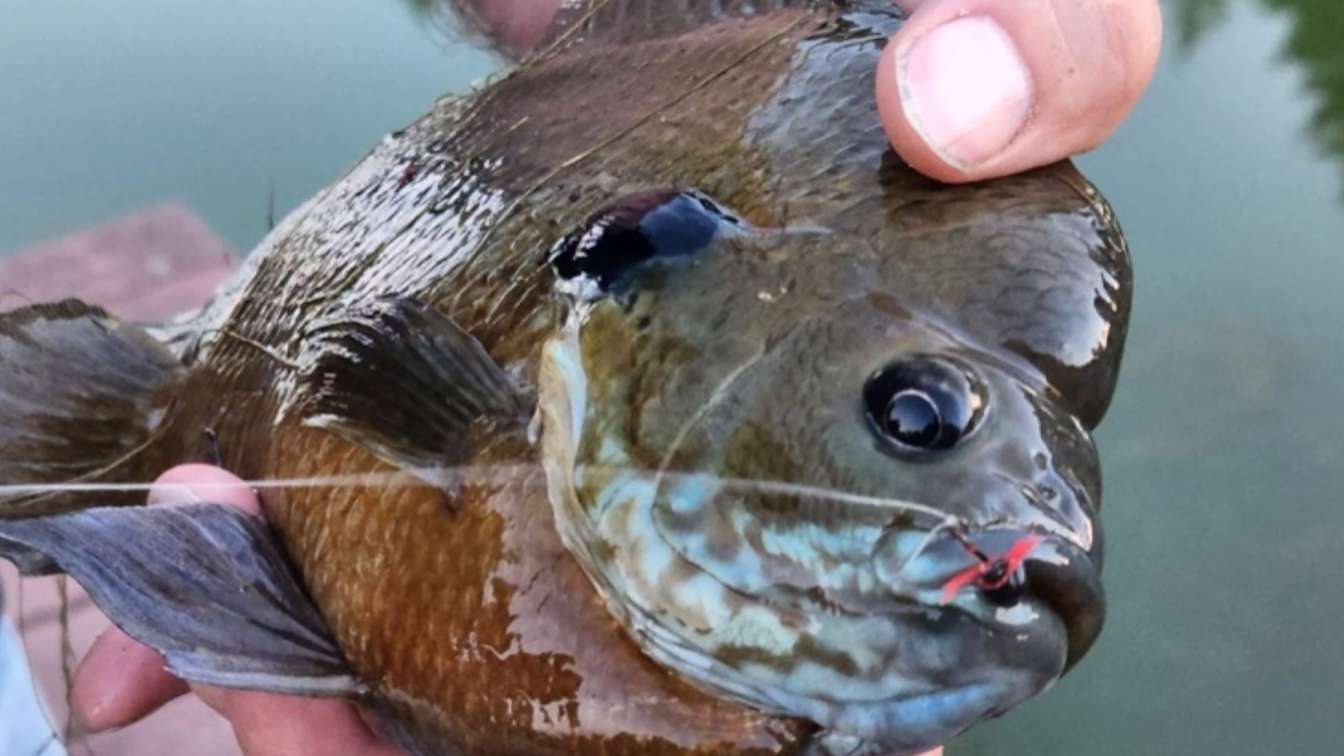
Ponds often hold bluegill and crappie together. The best bait for bluegill and crappie overlaps nicely. Worms threaded slim catch both species near the same brush piles.
Crappie prefer minnows slightly more, but crickets fool them too. Use a slip bobber rig to target layers—bluegill up high, crappie deeper. In summer heat, both chase active prey around oxygen-rich weeds.
Mix in corn for bluegill bait for crappie bonus. Yellow pops against green plants. Drift rigs slowly to cover water. This combo fills stringers quick without sorting fish. Watch your bobber for light nibbles from slabs.
Key takeaway: One bait, double the fun across panfish.
Matching Baits to Summer Conditions
Hot summer changes bluegill habits. They dip deeper by noon but rise at low light. Match best bait for bluegill to time and cover.
Morning calls for bluegill live bait like grasshoppers over grass. Evening shifts to worms under lights. Cloudy days? Crank small lures for bluegill all day long. Murky water loves bright corn or scented plastics.
Pond weeds thicken, so pitch accurate. Use bobbers to suspend above snags. Windy spots need heavier sinkers for control. Test depths from 2 to 6 feet. Active bluegill school tight—find one, best bait for bluegill in summer ponds.
-
Cast to shaded banks first; bluegill escape heat there.
-
Switch baits every 20 minutes if no bites.
-
Check hook sharpness after each fish.
Key takeaway: Adapt baits to daily shifts for max catches.
Beyond Bluegill: Bass and Winter Tips
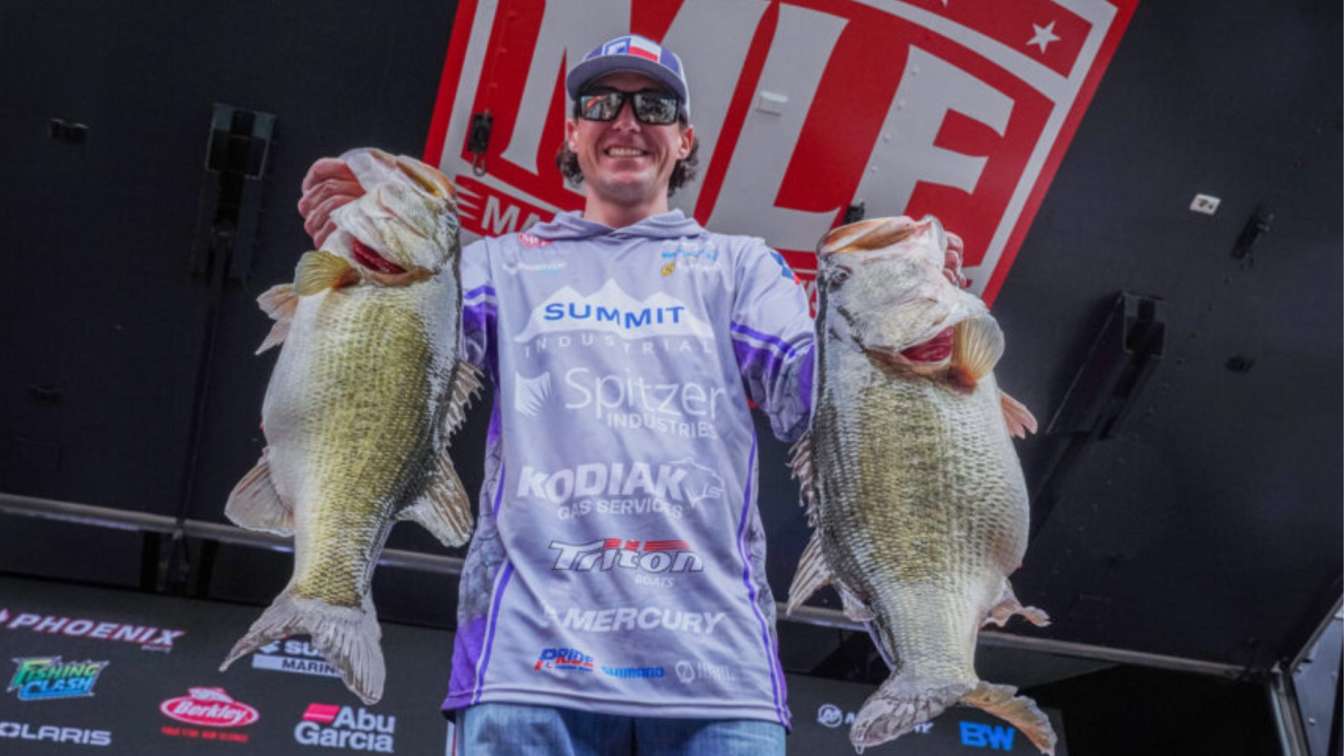
Best bluegill lures for bass flip the script. Bluegill patterns on spoons or swimbaits tempt largemouth. Summer ponds see bass keying on schooling bluegill—match the hatch with 3-inch grubs.
For best bait for bluegill in winter, slow it down. Jigs tipped with minnows hug bottom in cold water. Ice or open water, small works best. Summer preps you—same spots, different pace.
Versatile anglers stock both live and fake. Best live bait for bluegill crosses seasons with tweaks. Store worms cool, keep lures organized. Pond fishing builds skills year-round. Share catches with kids for memories.
-
Live crickets for summer slabs; maggots for winter finess.
-
Jigheads in 1/64-ounce for finicky days.
-
Scented dough for kids' first trips.
Key takeaway: Build a bait box for every scenario.
You May Also Like: Brook Trout Vs Brown Trout: What is a Brook Trout?
FAQs
What is the absolute best bait for bluegill in summer ponds?
Live worms or crickets lead the pack. They match natural food and stay lively in heat. Corn works cheap and easy too.mdc.mo+1
Can I use artificial baits instead of live ones?
Yes, artificial bluegill bait like micro jigs catches plenty. Add scent or tips for better odds. Great for clean rigs.
Does corn really work as bluegill bait?
Absolutely—corn for bluegill bait draws them with sweet smell. Use fresh kernels on small hooks near weeds.
What's good bait when bluegill and crappie mix?
Worms or minnows snag both. Suspend under bobbers to hit schools.
How do bluegill baits change in winter?
Slow smaller pieces like best bait for bluegill in winter—minnows or jigs near bottom. Patience rules cold water.