Hey there, new adventurer! If you're dreaming of hitting the trail without lugging a heavy pack, ultralight backpacking is your ticket to freedom. I've spent years shaving ounces off my kit, turning multi-day hikes into joyful jaunts. This guide breaks down a ultralight backpacking gear list for beginners—simple, practical picks that keep you safe and comfy under 10 pounds base weight. No fluff, just what works from my own trips through misty forests and sunny ridges. I once carried 25 pounds and ached for days. Now? I bounce along, spotting deer before dawn. Let's get you set up right, step by step. You'll wonder why you ever packed heavy.
Why Go Ultralight?
Picture this: You're cresting a hill, pack light as a bird, wind in your face. That's ultralight backpacking. It flips the script on tired treks. Your body thanks you—no sore knees, no dragging steps. I learned the hard way on a soggy three-day loop. My old 30-pound load turned fun into survival. Ditched the extras, and magic happened.
Ultralight backpacking targets 5-10 pounds base weight—everything but consumables like food and water. Beginners stuff packs with "just in case" gear. Reality check: Most stays unused. Shift to versatile pieces. That rain jacket? It grounds your shelter too. Socks stuff your pot for padding. Ounces add up fast.
Tailor to your trip. Weekend jaunt? Skimp on luxuries. Week-long? Pack a tiny repair kit. Check forecasts—wet climates demand waterproof layers. Always test at home. Strap on the full load, hike your block. Tweak fits. Comfort trumps all.
Friends notice. "How do you go so far?" they ask. It's the freedom. More views, less grind. Birds chirp clearer when you're not huffing. Streams sparkle. You connect deeper with the wild.
- One trip, a storm hit. Heavy pack folks hunkered miserable. Me? Zipped through, dry and grinning. Ultralight builds confidence.
- Start small. Weigh each item. Apps help track. Surprise yourself—half your old gear can go.
- Mix short cuts with smart buys. Borrow first. Feel the difference. Soon, you'll crave lighter.
- Key Takeaway: Ultralight turns hikes into adventures, not chores.
Read Also: What Camping Gear Do I Need for 3 Days
Backpack Basics
Your pack anchors the whole ultralight backpacking gear list for beginners. Wrong choice? Misery follows. Go 30-50 liters. Larger invites bulk. My 40-liter frameless wonder weighs 14 ounces, hauls like a champ. Fabrics matter. Ripstop nylon or silnylon shrugs off snags. Dyneema shines for wet trails—slippery smooth. Hip belts rule—wide, padded ones shift load to hips. Shoulders rest easy. Adjustable suspension matches your torso, 15-22 inches usually.
Pockets speed life. Hip ones grab snacks mid-stride. Side sleeves hug bottles. Brain pocket stows maps. Roll-tops seal tight against rain. Skip zippers; they snag and weigh extra. Load it smart. Heavy stuff high, near back. Sleep gear mid-pack. Distribute even. For lightweight gear, compress sacks organize without bulk. I swapped a clunky 3-pounder for this. Instant hike boost. Tested on 20-milers—stayed comfy.
Capacity guide:
| Trip Length | Recommended Size | Max Base Weight |
|---|---|---|
| 1-2 nights | 30-40L | 8 lbs |
| 3-5 nights | 40-50L | 10 lbs |
| Multi-week | 50-60L | 12 lbs |
- Practice packing. Roll clothes. Clip extras outside. Walk loaded miles. Sweat reveals flaws.
- Custom fit matters. Short torso? Shorter frame. Tall? Extendable. Women-specific curves help some.
- One rainy outing, my old pack soaked contents. New one? Bone dry. Packs evolve with you.
- Key Takeaway: A fitted, featherweight pack carries the day—literally.
Shelter That Packs Small
Shelter's your home base. Lightweight gear makes it vanish into your pack. Forget bulky domes. Tarps rule—8-10 ounces, endless setups. Mine's 8x10 feet silnylon. Pitches A-frame over a ridgeline or lean-to by a rock. Groundsheet? 1.5-ounce polycryo plastic. Cut to size, tape edges. Stakes: 6 titanium shepherd hooks, 0.2 ounces each. Practice knots—trucker's hitch stretches taut.
- Bug protection? Mesh bivy net, 12 ounces. Zips fully enclosed. Total system: 1.8 pounds. Rain pounds, you snooze safe.
- Bivies suit solos—mummy-shaped, with hood. Waterproof breathable fabric wicks moisture.
- Site savvy: Drain-free spots, wind-blocked. Trees for guylines. In snow, mound a wall.
- Storm story: Gale-force winds shredded a buddy's tent. My tarp laughed it off, tied to boulders.
Variations by season:
-
Three-season: Tarp + net (1.5 lbs)
-
Winter: Tarp + foam pad extension (2.2 lbs)
Pitch early. Scout sunsets. Dry wood nearby? Gold. Upgrade path: Polycotton blends for basecamp feel, still light. Feels exposed first time. Then liberating—stars overhead.
Key Takeaway: Compact shelter keeps you protected, pack slim.
Sleeping Light and Cozy
Sleep recharges everything. Bad rest? Cranky days ahead. Ultralight backpacking quilts beat bags—19 ounces, 20F rating. Down loft traps heat. Open bottom drafts or nests. Pads inflate quick. R-value 3+ for ground chill. 20x72 inches rolls to coke-can size, 10 ounces. Straps or clips stop slippage. Pillow? Stuff sack with spare clothes. Or foam nub, 1 ounce. Layer for temp: Quilt over liner sock. Test rating—add merino base if chilly. My system: Quilt, pad, earplugs. Dead to dawn, even near owls.
Combo weights:
| Item | Weight (oz) | Packed Size |
|---|---|---|
| Quilt | 19 | Fist |
| Air Pad | 10 | Can |
| Total | 29 | Minimal |
- Home test: Camp backyard. Adjust inflation. Side sleepers need width.
- Winter tweak: Overbag for -10F. Still under 2 pounds.
- Buddy tip: Share a two-person quilt. Warms doubles.
- Wake refreshed. Energy soars.
- Key Takeaway: Cozy sleep gear ensures you thrive, not just survive.
Cooking and Eating Simple
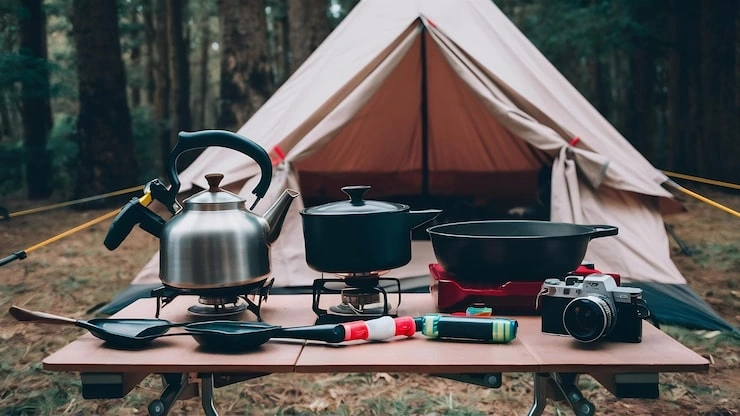
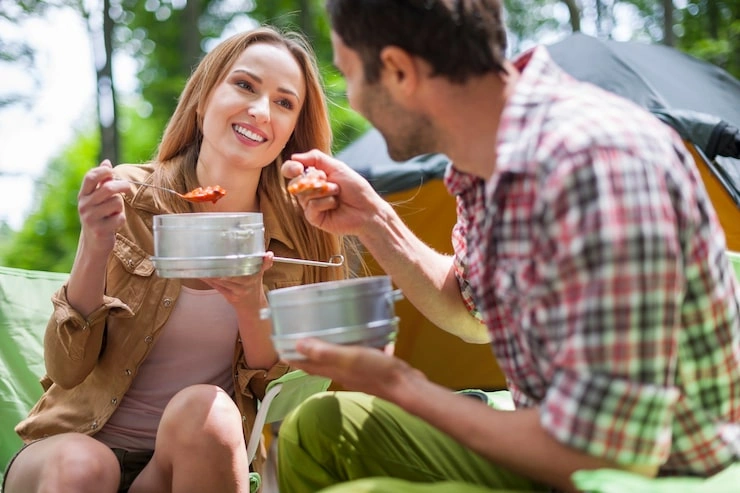
Food fuels fun. Backpacking essentials cook light. Stove? Titanium pot with integrated burner, 3 ounces. Runs on alcohol or canister—whichever's handy.
Pot: 3/4-liter, lid doubles strainer. Cozy windscreen from foil. Utensil: Long spoon, spork combo. 1 ounce. Eats soups, stirs oats. No stove? Cold soak. Jars hold overnight meals. Water: 1-liter bottle + dirty pouch. Beads filter gallons. Meals: Dehydrated rice, tuna packets. Oats with nuts. Calories dense. My kit cooked through hail. Simmered ramen like home.
-
Daily rations: 2 lbs food max—high fat/protein.
-
Flavor boosters: Spice packets, hot sauce tube (0.5 oz).
Portion packs. Ziplocks label days. Eat early, often. Trail mix curbs hunger. Cleanup: Boil, scatter gray water.
Key Takeaway: Minimal cooking keeps energy high, weight low.
Clothing Layers That Work
- Clothes shield without stuffing. Ultralight setup layers breathe. Base: Merino tee, briefs. Wicks sweat, no stink.
- Mid: Fleece pullover, 8 ounces. Traps warmth.
- Shell: Poncho-tarp hybrid, 6 ounces. Rainproof, grounds shelter.
- Bottoms: Nylon shorts with zip legs. Convert to pants.
- Socks: Two wool pairs. One camp, one hike.
- Hat, gloves: Beanie, liners. Buff necks.
- Launder in streams. Dry overnight.
Packed:
| Layer | Weight (oz) | Use Case |
|---|---|---|
| Base | 6 | All day |
| Fleece | 8 | Cool evenings |
| Poncho | 6 | Rain/storm |
- My soak-through cotton days? Over. Now, comfy always.
- Pack for extremes. Extra socks save feet.
- Key Takeaway: Versatile layers adapt to weather, stay light.
Navigation and Safety Must-Haves
Stay found, stay safe. Lightweight gear nav tools fit palms. Map: Laminated sections, 2 ounces. Compass: Baseplate, glow-in-dark. Altimeter watch tracks elevation. Phone backup with offline apps. Headlamp: 1 ounce, 100 lumens. Red light saves night vision. First aid: Ziploc with basics—blister pads, meds, tape. 4 ounces. Repair: Duct tape wrap, needle/thread, cord. Fixes tears. Knife: Small folder, multi-tool optional. Emergency: Whistle, signal mirror, fire starter. Whistle saved me signaling rangers once. Fog thick, trail lost.
-
Daily carry: Map, compass, headlamp.
-
Group extra: Shared sat communicator.
Know your route cold. Practice bearings.
Key Takeaway: Smart safety gear prevents problems.
You May Also Like: Ultimate Kids Camping Gear Checklist: Your Complete Guide
Packing and Weight Tips
Assemble your ultralight backpacking gear list for beginners wisely. Core: Shelter bottom, sleep middle, kitchen top. Heavy center.
- Weigh everything. Scale precise to gram. Cut tags, shorten cords.
- Multi-use wins: Poncho shelters. Spoon measures.
- Trim food: 1.5 lbs/day. Dense bars.
- Water strategy: Carry 2L max, filter often.
Sample beginner list:
| Category | Items | Total Weight (lbs) |
|---|---|---|
| Pack | 40L frameless | 0.9 |
| Shelter | Tarp, stakes, net | 1.8 |
| Sleep | Quilt, pad | 1.8 |
| Cooking | Pot/stove, spoon | 0.5 |
| Clothes | Layers, socks | 1.5 |
| Misc | First aid, nav | 1.0 |
| Total | 7.5 |
Audit often. Hike, refine.
Key Takeaway: Organized packing maximizes efficiency.
Sample Gear List
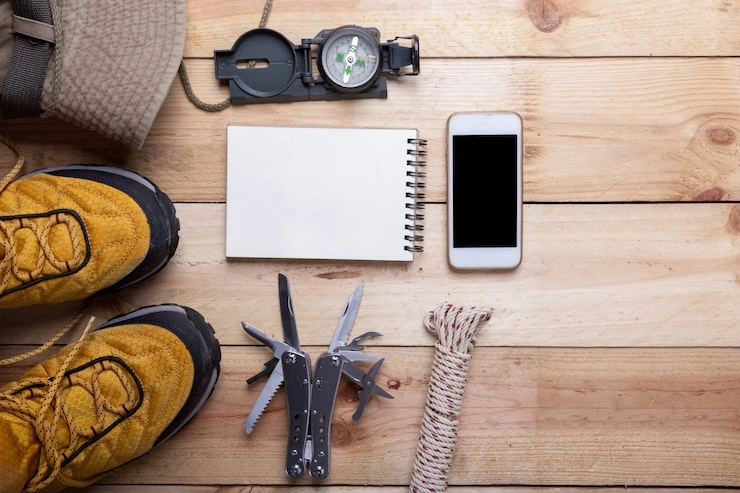
Here's my tested ultralight setup for a 3-day trip. All weighs 7.2 pounds base.
Shelter Section:
-
Tarp (8x10 silnylon): 8 oz
-
Mesh net: 12 oz
-
6 Ti stakes: 1.2 oz
-
Polycryo sheet: 1.5 oz
Sleep Section:
-
20F quilt: 19 oz
-
Inflatable pad: 10 oz
-
Stuff sack pillow: 0.5 oz
Cooking Section:
-
Ti pot/stove: 3 oz
-
Long spoon: 0.5 oz
-
Lighter + windscreen: 0.5 oz
Clothing (worn): Base layer, socks, hat: 12 oz (packed extra socks 2 oz)
Backpack: 40L, 14 oz
Safety/Misc:
-
Map/compass: 3 oz
-
Headlamp + batteries: 1.5 oz
-
First aid/repair: 4 oz
-
Water filter + bottle: 4 oz
Food/water separate: 4.5 lbs/day.
Tweaked for your body/season.
Key Takeaway: This list proves ultralight works for newbies.
First Trip Advice
- Launch right. Pick easy 10-20 mile loop. Familiar terrain. Spring or fall—mild weather.
- Train: Day hikes with full pack. Build stamina.
- Buddy up first time. Share lessons.
- Mindset: Embrace simple. No gadgets.
- Post-trip: Unpack, clean, weigh. Note wins/fails.
- I botched my first ultralight outing—forgot tinder, shivered. Learned fast.
- Hydrate, pace steady. Breaks with views.
- Weather watch: Bail if dicey.
- You're ready. Trail calls.
- Key Takeaway: Start small, learn big.
FAQs
What's the ideal base weight for ultralight backpacking beginners?
Aim for 8-10 pounds. Track everything but food/water. Shave gradually—start by ditching duplicates.
Can I use regular camping gear for lightweight gear?
Some, yes. Trim heavy tents or stoves first. Test weights. Hybrid approach eases in.
How do I stay warm in an ultralight setup?
Layer smart: Base wicks, mid insulates, shell blocks wind. Eat fats. Pitch wind-sheltered.
What's one backpacking essential I can't skip?
Water filter or treatment. Giardia ruins trips. Carry backup purification.
How often should I update my ultralight backpacking gear list for beginners?
After every trip. Weigh, review wear. Seasons change needs too.