Packing for a camping trip in a small car can feel like a puzzle. You have your tent, your sleeping bag, your cooking gear, your food, your clothes, and all the other things you need. And it all has to fit into a tiny trunk or cargo area. It is easy to end up with a messy pile of stuff. It is even easier to forget something important.
The answer is not a bigger car. The answer is a better way to pack. You need a system. When you have a system, you can pack faster. You can find what you need. And you can enjoy your camping organization ideas for small cars.
This guide will show you how to organize your camping gear for a small car. We will talk about why planning matters. We will talk about how to use storage bins. We will talk about sleeping setups. And we will talk about safety.
The Challenge Of Small Car Camping

Why Good Organization Matters
You have a small space. Every inch matters. If you just throw things in the car, you will not have room for everything. You will also waste time searching for things. This can make your trip more stressful than it needs to be.
Good organization solves these problems. It helps you use every bit of space. It helps you find your gear quickly. It helps you set up camp fast.
Thinking About Your Gear As A System
Do not think about your gear as a list of individual things. Think about it as a system. Your system is made of zones. You need a sleep zone, a kitchen zone, and a clothes zone. When you think this way, packing becomes easier.
Using a modular system is one of the best ways to stay organized . You put similar things together in the same container. This makes it easy to grab what you need.
Read Also: Camping Alone As A Woman What To Know
Step 1: Plan Before You Pack
Make A List
Before you put anything in the car, make a list of everything you need. This stops you from overpacking. It also stops you from forgetting important things.
Think about your trip. What will you do? How long will you be gone? What is the weather like? Your answers to these questions will tell you what you need.
Check Your Gear
Look at everything on your list. Ask yourself if you really need each thing. For example, do you need a big chair? Or can you sit on a camp stool? Do you need a big stove? Or can you use a small one?
This kind of thinking helps you pack lighter. It makes things simpler.
Step 2: The Camp Box Method
What Is A Camp Box?
A camp box is a single container that holds all the things you use for every camping trip . This is a very powerful idea.
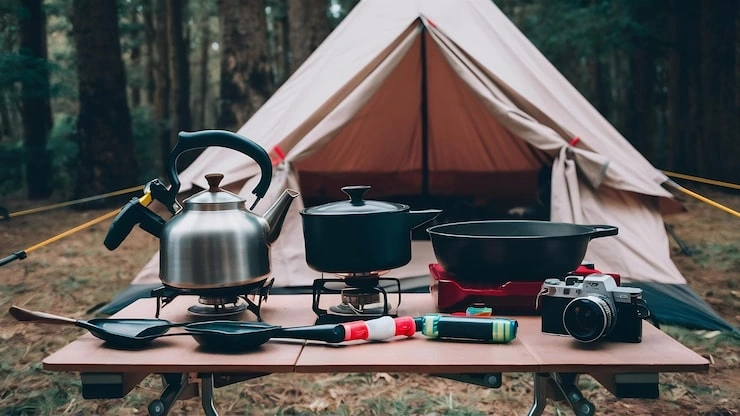
Think about it. You use a stove, a lighter, a mug, a headlamp, cutlery, a dish kit, and cleanup supplies on every trip. Put all of these things in one box. Then, keep them there.
Why This Method Works
The camp box makes packing much easier . You do not need to hunt for these things each time. You just grab the box. You know it has everything you need for cooking and eating.
This method also helps you avoid duplicates. You will not find yourself with two stoves or three lighters.
What To Keep In Your Camp Box
Your camp box should have what you use the most. Here are some ideas.
- A small stove
- A lighter or matches
- A mug
- A plate and a bowl
- A utensil set
- A dishwashing kit
- A sponge
- A small towel
- A trash bag
- A headlamp or flashlight
How To Set Up Your Camp Box
Pick a sturdy plastic container with a lid. See-through containers are best. You can see what is inside without opening them. Put all your kitchen items in the container. Restock it after each trip. This way, it is always ready to go .
Step 3: Use Storage Bins And Bags
Why Bins And Bags Work Better
Do not put loose items in your car. Loose items move around. They get lost. They can be dangerous in a sudden stop.
Put your gear in bins and bags instead. This groups things together. It also keeps them from rolling around.
Choose The Right Container
Many campers like using clear plastic bins . You can see what is inside without opening them. They are also easy to stack.
Soft bags are good for things like clothes and bedding. They can squeeze into tight spaces.
When choosing bins, think about size. You want bins that fit well in your car. If bins are too big, they will not fit. If they are too small, they will not hold enough.
The Concept Of "Always Packed" Gear
One smart trick is to separate "always packed" gear from trip-specific gear. Always packed gear is the camp box. It stays in your car or in a storage spot . Trip-specific gear is food, extra clothes, or special equipment. You only add trip-specific gear before you leave.
This keeps your car from becoming a catchall for everything you own.
Step 4: Pack For Quick Access
Think About Your Packing Order
You will use some items more than others. You need to be able to get to these things quickly.
Think about when you arrive at camp. It is often dark. You might be tired. You need to set up camp fast.
The First-Out Bag
Put your most-used items in a "first-out" bag . This is the bag you open first. It should have things like your headlamp, a lighter, and a rain jacket. You can get to these things without unpacking everything.
Pack By Need And Frequency
Think about when you will need each item. Things you use often, like your camp box, should be easy to reach. Put them on top. Things you might not need, like spare clothes, can go under them.
The rule is simple. Pack things in the order you will need them .
Step 5: Create A Sleeping Space
Your Sleeping Setup
How you sleep matters a lot. If you are sleeping in your car, you need a flat and comfortable space. If you are using a tent, you need to keep your sleeping gear clean and dry.
In a small car, a big, permanent sleeping platform is not always practical. It takes up too much room. It adds weight. It makes the car less flexible for everyday use .
Simple Sleep Systems
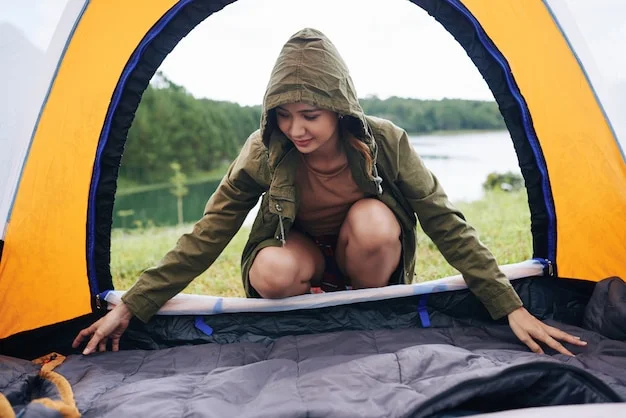
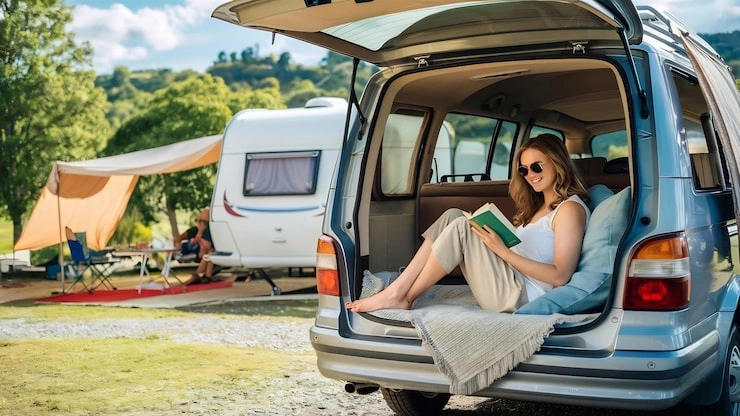
For many people, a simple system works best. Fold down your seats. Add a sleeping pad. Then, add a sleeping bag and pillow . This lets you have a comfortable sleep without changing your car.
Ventilation And Privacy
Airflow is important. You want to have good airflow to stay comfortable and safe. Window covers can help with privacy and can also help with airflow.
Keep the space where you sleep clean. Do not store trash or food near your sleeping area.
Step 6: Set Up Your Camp Kitchen
Keep It Simple
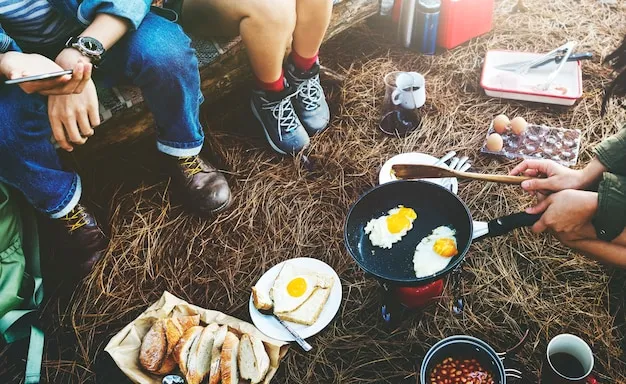
A simple camp kitchen is a good kitchen. A folding table and a small camp stove are all you really need . These items are easy to pack and do not take up much space.
If you have a truck, the tailgate can work as a table. This saves you from having to bring a separate table.
Collapsible Gear Is Your Friend
Collapsible bowls, collapsible cups, and collapsible water containers are great for small cars. They take up very little space when they are not in use.
Cooking Flow
Think about how you will cook. Keep your stove at a comfortable height. Keep your water within reach. This makes cooking easier, especially when the weather is bad.
Step 7: Think About Safety
Store Food Securely
Food safety is very important when you are camping. Food can attract wildlife. You need to keep your food in your vehicle or in a designated storage locker . Do not leave food out in the open.
In many national parks, it is against the rules to leave food or scented items unattended . You need to follow these rules. They are there to keep you and the wildlife safe.
Tie Down Your Load
Loose items in your car can become dangerous in a sudden stop or a crash . You should secure your load.
Keep heavy items low and in the center of the car. Put lighter items on top. When you pack, think about what would happen if you had to stop suddenly.
Nighttime Essentials
Put things you might need at night where you can reach them easily. This includes a flashlight, a headlamp, and your phone. You should be able to find these things in the dark.
You May Also Like: Fun Camping Activities for Families
Step 8: Use Your Roof
Roof Storage Options
Sometimes, you just need more space. Using your roof can give you that space. A roof rack and a cargo box are good options.
A roof cargo box protects your gear from the weather. It also keeps your gear out of the car. This frees up space inside for sleeping or other things.
What To Put On The Roof
Put bulky, lightweight items on the roof. This can include your tent, your camping chairs, or your sleeping bags. Do not put heavy items on the roof. They can be hard to get down. They can also affect how your car drives.
Step 9: The Routine Matters

Build A Routine
A good routine makes car camping easier. A routine is a set of steps you follow each time.
When you arrive at camp, you have a routine. You level the car. You set up your sleeping area. You set up your kitchen. You do the same steps each time. This makes the process faster and less stressful .
The Morning Pack-Out
Have a routine for packing up, too. Pack your trash. Wash your dishes. Roll up your bedding. Put everything back in its place.
Having a routine helps you leave no trace. It also helps you feel ready for your next camping organization ideas for small cars.
Learn From Your Trips
Keep a simple journal or a note on your phone. After each trip, write down what worked and what did not . What gear was useful? What was not? What did you forget?
This helps you improve your system over time.
Frequently Asked Questions
How can I pack for a week in a small car?
The camp box method helps. Keep your core gear in one box. Then, only add trip-specific items. You should plan your meals. Pack food that does not take up much space.
What are the best storage bins for car camping?
Clear plastic bins with lids are a good choice. They are durable. They are easy to stack. And you can see what is inside without opening them.
Is a sleeping platform necessary for a small car?
No, not always. Many people sleep well on a simple sleeping pad in the back of their car. A platform can be useful, but it is not always needed.
How do I keep my car organized while camping?
Use a modular system. Keep similar items in the same bin. Put things back in their designated spot. This one habit will keep your car organized.
Where should I store my food while camping?
Store food and trash inside your locked vehicle at night. In bear country, check the local rules. Some places have special food lockers that you must use.
Conclusion
Organizing a small car for camping does not have to be hard. It starts with a plan. It continues with a system.
Think about your gear in terms of zones. Use a camp box for your core kitchen items. Use bins and bags for the rest. Pack by priority, with the things you need first on top. Have a simple sleep setup. And always think about safety.
The goal is not just to fit everything in the car. The goal is to make your trips easier and more enjoyable. When you have a system, you can spend less time worrying about your stuff. You can spend more time enjoying the outdoors.
Start with one small change. Pick one idea from this guide and try it on your next trip. You will be surprised at how much a little organization can help.