I remember my first trip. I bought a tent. I bought a sleeping bag. I thought I was ready. I got to the woods and realized I had no way to make coffee. No cup. No pot. Just a bag of grounds and a dream. That morning was rough.
You do not need to make that mistake. I have made most of the mistakes so you do not have to. This guide comes from fifteen years of forgetting things, breaking things, and learning things the hard way.
Let me tell you what you actually need. Not what the stores want to sell you. Not what looks good on Instagram. Just the stuff that camping checklist for beginners.
Beginner's Guide: Your Ultimate Camping Checklist Awaits!
Picking A Tent
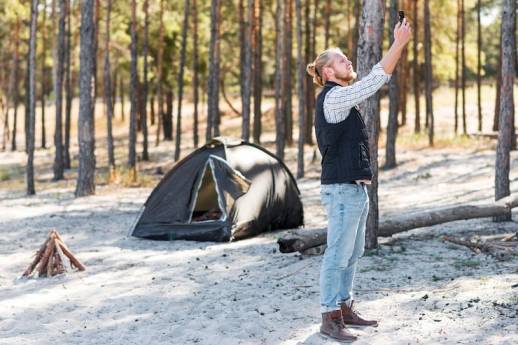
The tent is your home for the night. Do not buy a tent that only fits your exact number of people. If you have two people, buy a three person tent. If you have four people, buy a six person tent. The extra space matters. You have bags. You have shoes. You might have a dog. You might want to sit up without hitting your head on the roof.
The rainfly is not optional. Some cheap tents do not come with one. They say the tent is waterproof on its own. They are lying. Water finds a way through the mesh. The rainfly stops that. It also creates a small porch area where you can keep your shoes dry.
Practice setting it up at home. Do this before you leave. I cannot say this enough. I once spent forty five minutes in the dark trying to figure out which pole went where. My partner was not happy. The kids were crying. It was a bad start to what should have been a good trip.
Sleeping Bags
The temperature rating on the bag is not the comfort rating. This confuses a lot of new campers. A bag rated for thirty degrees keeps you alive at thirty degrees. But you will not sleep well. You will shiver. You will wake up every hour.
For real comfort, add fifteen degrees to the rating. If the low temperature where you are going is forty, get a bag rated for twenty five. If the low is fifty, get a bag rated for thirty five.
Down bags are light and pack small. They cost more. They fail completely when wet. Synthetic bags are heavier and bulkier. They keep working when wet. They cost less. For a first bag, go synthetic. You will not worry as much about rain or spilled water.
Sleeping Pads
New campers skip the pad. They think the sleeping bag is enough. They are wrong. The ground steals your body heat. It pulls it right out of you. Even a cheap pad stops this from happening.
Foam pads are cheap and indestructible. They are bulky. You strap them to the outside of your bag. Air pads are comfortable and pack small. You blow them up with your mouth. They cost more and they can pop. Self inflating pads sit in the middle. They have foam inside that puffs up when you open the valve. You just add a little air to get them firm.
I use a self inflating pad now. It took me years to switch. I started with foam. It worked fine. It just took up too much room in the car.
Read Also: Camping Organization Ideas For Small Cars
What You Cook With And Eat?
Stoves
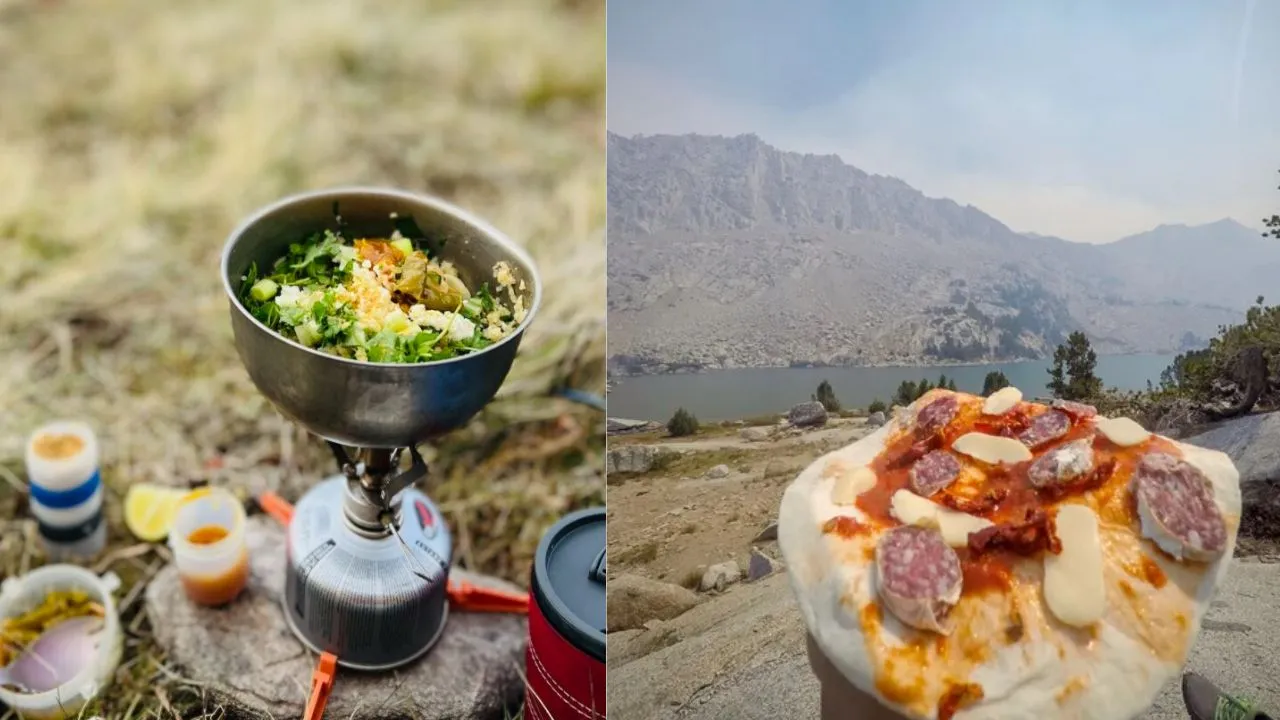
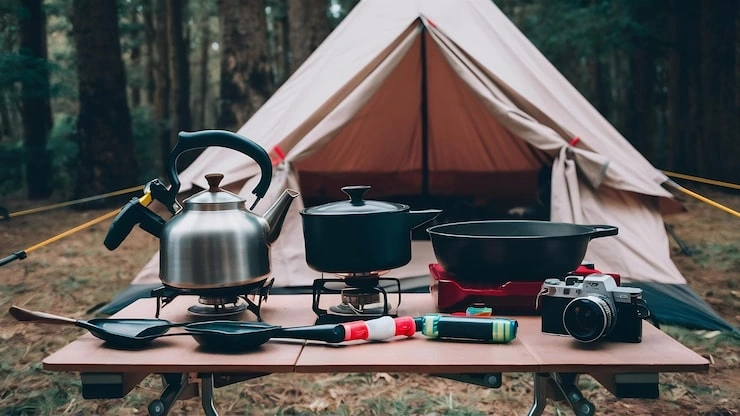
Propane stoves are the easiest. You screw a small green canister onto the stove. You turn a knob. You push a button. Fire comes out. That is it. No pumping. No priming. No fuss.
I recommend the two burner models. They are wider. They fit a bigger pot. You can cook two things at once. One burner for pasta. One burner for sauce. You eat dinner faster and get to relax.
Liquid fuel stoves are for experts. They work in cold weather. They work at high altitudes. They are complicated. You have to pump them. You have to preheat the fuel line. If you do it wrong, you get a fireball. Skip these until you have been camping for a few years.
Do not rely on a campfire for cooking. Fires take time to build. Fires need dry wood. Fires are not allowed in dry conditions. Bring a stove every time.
Pots And Pans
A two quart pot covers most meals. Boil water for pasta. Boil water for oatmeal. Heat up soup. Heat up canned beans. A small frying pan handles eggs, pancakes, and grilled cheese.
Nonstick is easier to clean. It also scratches easily. Use plastic or wood utensils with it. Metal spoons ruin the coating. Stainless steel lasts forever. It is heavier. Food sticks to it if you do not use enough oil.
Do not bring glass. Do not bring ceramic. They break on bumpy roads. They break when you drop them on rocks. Stick to metal.
Utensils And Tools
Bring a spoon, fork, and knife for each person. A spatula for flipping. A ladle for serving soup. A can opener. This one gets forgotten constantly. Everyone remembers the food. Nobody remembers the can opener.
Bring a cutting board. Even a small plastic one. You need a clean surface. You need something between your knife and the picnic table. Bring a sharp knife. Dull knives slip. Slipping knives cut fingers.
Plates And Cups
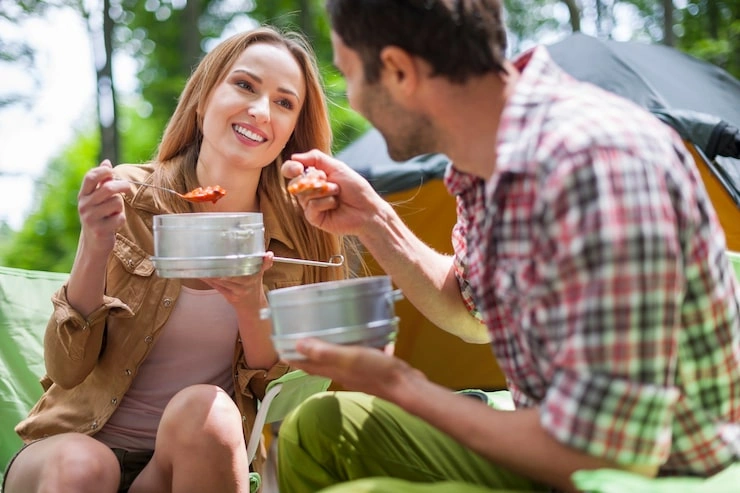
Melamine plates are the standard. They look like ceramic. They do not break. They clean up easily. Paper plates work too. You burn them in the fire. Less dishes to wash. Some campgrounds ban burning paper. Check the rules first.
Insulated mugs keep coffee hot. They keep cold drinks cold. Regular mugs lose heat fast. You end up drinking cold coffee. That is a sad way to start your morning.
Water
Bring one gallon per person per day. This covers drinking. This covers cooking. This covers washing your face at night.
Even if the campground has water, bring a backup plan. The spigot might be broken. The water might taste bad. The water might be shut off for the season. A water filter or purification tablets give you peace of mind. You can drink from streams if you have to.
What You Wear?
The Layering Idea
You do not need a different jacket for every situation. You need layers. You take layers on and off as the temperature changes. This is how campers stay comfortable all day.
Next To Your Skin
This layer moves sweat away from your body. Sweat makes you cold when you stop moving. Wool is the best material. It does this job well. It does not smell bad after a day of hiking. It keeps you warm when it gets damp.
Merino wool is soft. It does not itch like old wool sweaters. It costs more. It lasts longer. Synthetic fabrics do the same job for less money. They hold body odor more than wool. They dry faster than wool.
Cotton is the enemy. Cotton holds sweat. Cotton stays wet. Wet cotton makes you dangerously cold. Leave cotton shirts at home. Leave cotton socks at home. Leave cotton underwear at home. This is not negotiable.
Bring two sets of base layers. One for daytime. One for sleeping. Put the sleeping set on right before bed. This keeps your sleeping bag cleaner. It keeps you warmer because you are dry.
The Warm Layer
Fleece jackets are the workhorses of camping. They are soft. They are warm. They dry fast. They are cheap. Buy one that zips up the front. You can open it when you get warm. You can close it when you get cold.
Puffy jackets pack into a small bag. They are very warm for their weight. Down puffy jackets are lighter but fail when wet. Synthetic puffy jackets are heavier but work when wet. For camping, synthetic is safer.
The Rain Layer
You need a rain jacket. You need rain pants. The jacket needs a hood. The hood keeps rain off your neck and head. That is where you lose most of your heat.
Look for pit zips. These are zippers under your arms. You open them when you hike. Heat and sweat escape through them. You close them when you stop. They keep rain out.
Cheap rain gear works. It just does not breathe well. You sweat inside it. Expensive rain gear breathes. You stay dry from rain and sweat. For a first trip, buy the cheap stuff. Upgrade later if you enjoy camping checklist for beginners.
Boots And Socks
Hiking boots give you ankle support. They protect your feet from rocks. Waterproof boots keep your feet dry. Gore Tex is the best waterproof material. It keeps water out. It lets sweat escape.
Break in your boots before the trip. Wear them around the house. Wear them to the grocery store. Wear them on short walks. Do this for two weeks. New boots cause blisters. Blisters ruin trips.
Bring two pairs of socks for each day. Change your socks during the day. Let the sweaty socks dry on your backpack or on a line. Clean socks reduce blisters. Clean socks feel amazing at the end of a long day.
Hats And Gloves
A wide brim hat keeps sun off your face and neck. A beanie keeps heat in at night. You lose a lot of heat through your head. A warm head makes a warm body.
Gloves for cold mornings. Sunglasses for bright days. A bandana for wiping sweat or protecting your neck from sun.
Tools And Safety Gear
Knives
A good knife does many jobs. Cut rope. Open packages. Prepare food. Cut kindling for a fire. A multi tool does even more. Pliers. Scissors. Screwdrivers. A small saw.
The Leatherman brand costs more. It also lasts forever. Cheaper brands work fine for occasional camping. Test your knife before you go. Make sure it cuts rope easily. A dull knife is dangerous.
Light
Headlamps are better than flashlights. Your hands stay free. You can cook with light on your head. You can set up your tent with light on your head. You can walk to the bathroom without holding anything.
Bring extra batteries. Bring a backup light. A small flashlight in your pocket works as a backup. Check your batteries before the trip. Replace them if they are old.
Fire Starters
Waterproof matches come in a small plastic case. They work even if they get wet. Lighters work very well. Bic lighters are cheap and reliable. Bring two lighters. Put one in your pocket. Put one in your cooking bag.
Fire starter blocks help you start campfires. They are made of wax and sawdust. They light easily. They burn for several minutes. They help wet wood catch fire. Cotton balls covered in petroleum jelly work just as well. They cost almost nothing.
First Aid
Buy a pre made kit. Add extra things to it. Bandages of different sizes. Gauze pads and tape for larger wounds. Antiseptic wipes for cleaning wounds. Pain relievers for headaches. Antihistamines for allergic reactions. Anti diarrhea medicine for stomach issues.
Moleskin for blisters. Cut a piece and place it over a hot spot before a blister forms. This stops blisters before they start. If you already have a blister, moleskin protects it from further rubbing.
Navigation
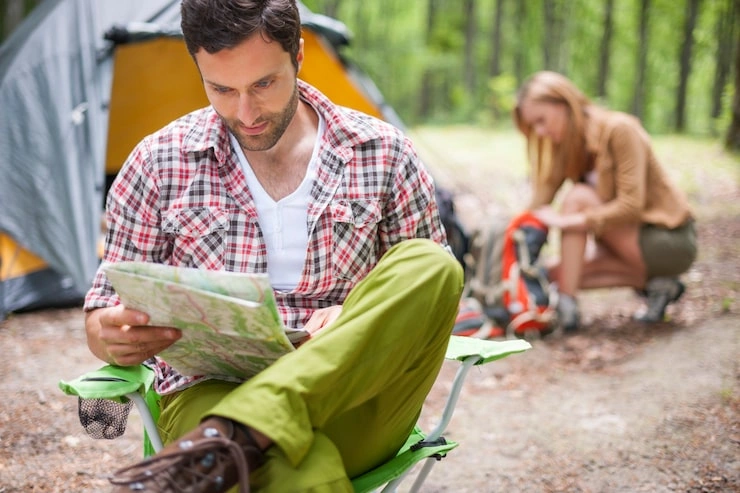
Paper maps do not run out of battery. Get a map from the park office. Study it before you go. Mark your campsite on the map. Mark the trails you plan to walk.
A compass helps you stay on track. Learn how to use it before the trip. It is simple. You line up the compass with the map. You turn your body until the needle points north. Then you know which way to walk.
Your phone has GPS. It is useful. But your phone battery dies. Bring a portable power bank. This charges your phone several times. Keep your phone in airplane mode to save battery. Take pictures of the map with your phone. This gives you a digital backup.
Repair Kit
Things break. Duct tape fixes tent poles. Duct tape fixes torn rainflies. Duct tape fixes ripped backpacks. Wrap some around your water bottle. This saves space.
A needle and thread fix torn clothing. They fix ripped sleeping bags. Tent repair patches cover holes in your tent floor. A small sewing kit does not take much space. It saves you when something rips.
You May Also Like: Overnight Camping for Kids: A Simple Guide
Things That Make Camping Comfortable
Chairs
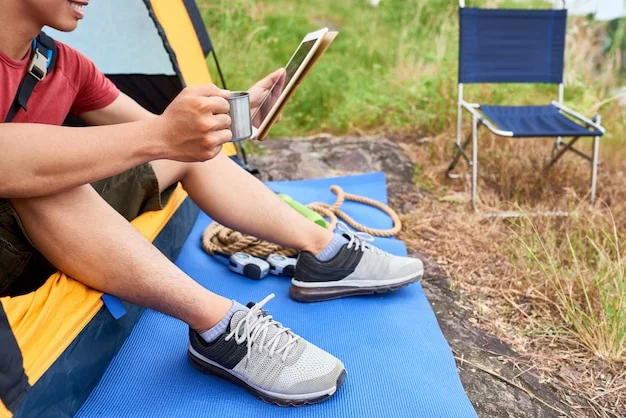
The ground is hard. Your back hurts after a while. A camp chair fixes this. Camp chairs fold into a small bag. They have cup holders for your drink. Buy one for each person.
If you are backpacking, look for a lightweight chair. They weigh about one pound. They are low to the ground. But they keep you off the dirt. They keep you comfortable around the fire.
Tables
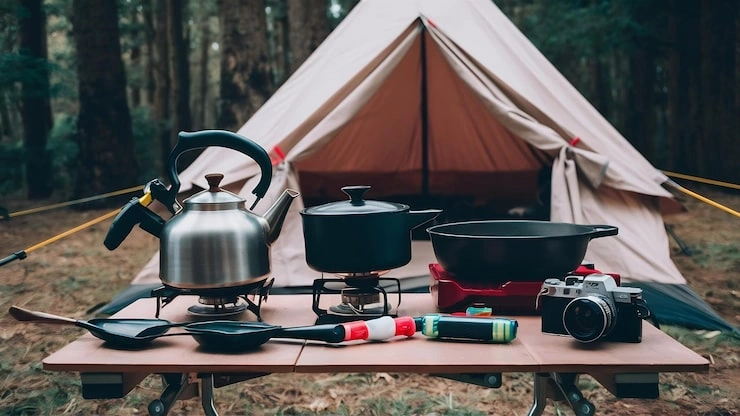
A camp table gives you a place to cook and eat. It keeps your food off the ground. It keeps your stove at a good height. A cheap folding table works well. Two feet tall is the right height for cooking while sitting.
If you do not have space for a table, use the picnic table at the campsite. Most developed campsites have them. Call the park to check. If there is no table, use a flat rock. Use a log. Use the ground as a last choice.
Storage
Clear bins let you see what is inside. Label your bins. One bin for kitchen items. One bin for clothing. One bin for tools. This makes packing easier. This makes finding things easier.
Stuff sacks are small bags for specific items. Put your sleeping bag in one. Put your clothes in another. Stuff sacks compress your gear. They take up less space.
Entertainment
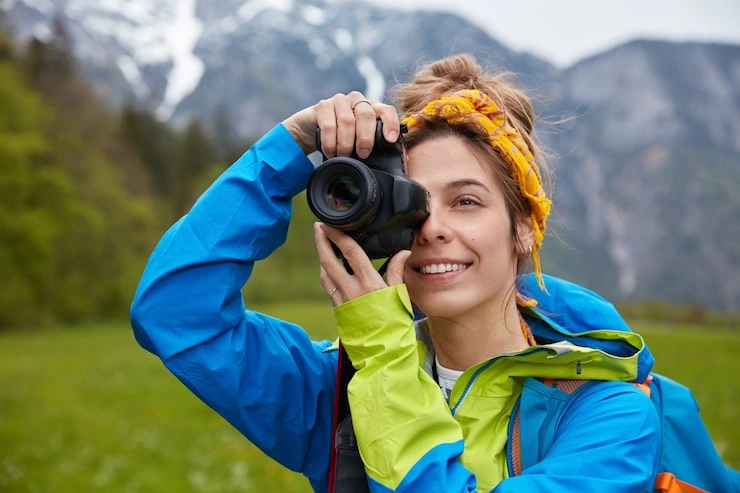
A deck of cards is small and fun. A book keeps you busy for hours. A notebook lets you write about your trip. A camera captures memories.
If you bring electronic devices, limit them. Camping is about nature. Put your phone away. Listen to the birds. Watch the stars. Talk to the people you came with. These are the best parts of camping.
The Forgotten Items
I have forgotten every item on this list at least once. Read this section carefully. Put these items in your bag before you pack anything else.
Tent Footprint
This is a tarp that goes under your tent. It protects your tent floor from rocks and sticks. It keeps moisture from seeping through the bottom. It adds years to your tent life.
Buy the footprint made for your tent. Or use a piece of tarp cut to size. Make sure the tarp is slightly smaller than your tent floor. If it sticks out, rain runs under it. Then water collects under your tent.
Stove Fuel
This is the most forgotten item. People pack the stove. They pack the pots. They leave the fuel at home. Then they cannot cook.
Put a sticky note on your stove. Write FUEL on it. Put your fuel canister in your cooking bin right now. Do not wait until the last minute.
Can Opener
Canned food is easy camping food. But it needs a can opener. Many stoves have a can opener built in. Check yours. If it does not, pack a small one. They cost two dollars. They weigh almost nothing.
Trash Bags
You will create trash. Food wrappers. Empty cans. Used paper towels. You need a way to carry this trash out. Bring several kitchen trash bags. Bring a large bag for your main trash. Bring small bags for day trips.
Never leave trash behind. This is the most important rule of camping.
Dish Soap And Sponge
You need to wash your dishes. Pack a small bottle of biodegradable soap. Campsuds is a popular brand. It is safe for the environment. It does not harm plants or animals. Pack a small sponge. Pack a small towel to dry your dishes.
Ground Cloth For Tent Entrance
Your tent entrance gets dirty. Everyone walks there. Dirt gets tracked inside. A small mat at the entrance helps. It gives you a place to wipe your feet. It catches the dirt before it gets in.
Spare Batteries
Your headlamp will die. Your flashlight will die. It always happens at the worst time. Pack spare batteries. Put them in your repair kit. Check your battery size before you go. AAA and AA are the most common.
Cash
Some campgrounds do not take cards. Some firewood sellers only take cash. Some nearby stores only take cash. Bring small bills. Bring ones, fives, and tens.
Planning Your Meals
How Much
One breakfast per day. One lunch per day. One dinner per day. Two snacks per day. Extra for each day. Weather changes. You might burn more calories. You might stay longer. Extra food gives you peace of mind.
For a weekend trip, bring one extra dinner. For a week trip, bring two extra dinners. This is your emergency food. Keep it separate. Do not eat it unless you need it.
What To Bring
Choose foods that are easy to cook. Choose foods that are hard to spoil. Pasta is easy. It boils in water. It fills you up. Rice is easy. Instant oatmeal is easy for breakfast. It just needs hot water. Canned beans are easy. They heat up fast. They have protein.
Avoid fresh meat unless you have a cooler. It spoils fast. If you bring fresh meat, cook it the first night. Bring cured meats like salami. These last longer. Bring cheese that does not need refrigeration. Hard cheeses are good choices.
Bring foods you already like. Do not try new foods while camping. You might not like them. You might get an upset stomach. Stick to your favorites.
The Cooler
A thirty quart cooler works for a weekend trip. This fits enough food for two people. It fits drinks too.
Buy a cooler with thick walls. Thick walls hold ice longer. Pre chill your cooler before you pack it. Put a bag of ice in it the night before. This cools down the walls. Your food stays colder longer.
Pack your cooler in layers. A layer of ice at the bottom. Food on top. Another layer of ice. More food. Ice on top. Keep your cooler in the shade. Open it only when you need something. Each opening lets cold air out.
The Cooking Plan
Write down each meal on a card. Put the card in your food bin. This is your cooking plan. You do not have to think. You just follow the plan.
Breakfast. Oatmeal with dried fruit. Lunch. Peanut butter sandwiches. Dinner. Pasta with jar sauce and canned vegetables.
Clean up right after eating. Wash your dishes. Put away your food. This keeps bugs away. This keeps animals away.
Setting Up Camp
Picking The Spot
Flat ground for your tent. Remove rocks and sticks. These poke holes in your tent floor. Check for drainage. Do not set up in a low spot. Rain water flows downhill. It collects in low spots.
Look above you for dead branches. These fall in wind storms. They can hurt you. Do not camp under them.
Setting Up The Tent
Put down the footprint. Put your tent on top. Follow the instructions from your practice at home. Poles through the sleeves. Clips clipped. Tent stretched tight. Rainfly on top.
Stake down your tent. Use all the stakes. Even if the ground is hard. This keeps your tent stable in the wind. This keeps your tent from blowing away.
Organizing Inside
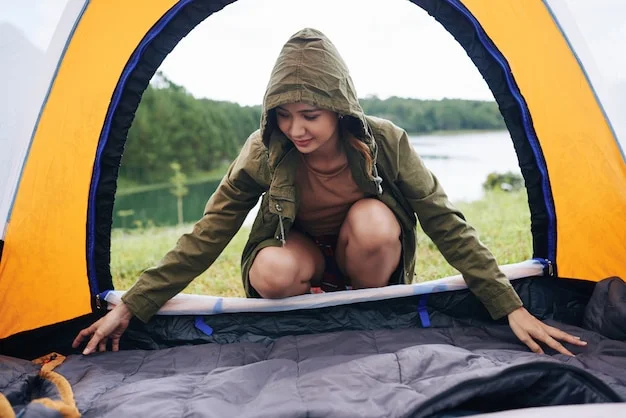
Pad down first. Bag on top. Pillow at the head. Headlamp near your pillow. You will need it at night.
Clothing in stuff sacks. Personal items in a small bag. Electronics in a dry bag. Take off your shoes before entering the tent. Place them on the ground cloth at the entrance.
The Kitchen Area
Set up your kitchen away from your tent. This keeps animals away from your sleeping area. Stove on flat ground. Table nearby. Food bin near the table.
Trash bag closed. Hang it from a tree if possible. Store all food in your car or in a bear box. Never leave food on the table overnight.
Staying Safe
Weather
Check the weather before you go. Check it again before you leave. Weather changes fast in the mountains. Rain can come with little warning. Cold can drop temperatures by twenty degrees in an hour.
If thunderstorms are coming, seek shelter. Do not stand under tall trees. Lightning hits the tallest object. Do not stand in open fields. Get in your car if you have one.
Wildlife
Most animals avoid people. They smell your food. Keep your food secure. Never feed animals. Fed animals become bold. Bold animals become dangerous.
If you see a bear, stay calm. Do not run. Back away slowly. Make yourself look big. Wave your arms. Speak in a calm loud voice. Most bears leave you alone.
If you see a snake, give it space. Walk around it. Most snakes are not aggressive. They only bite when threatened.
Fire Safety
Build your fire in the fire ring. Keep your fire small. A small fire is easier to control. Keep water near your fire. A bucket of water puts out a fire fast. Keep a shovel near your fire. Shovel throws dirt on flames.
Never leave your fire unattended. Not for five minutes. Not for two minutes. Put your fire out before you go to sleep. Put it out before you leave your campsite. Pour water over it. Stir the ashes. Pour more water. Stir again. No smoke. No heat. Ashes cool to the touch.
Personal Safety
Tell someone where you are going. Tell them when you return. Give them the name of the campground. Give them the phone number of the park office.
Stay on marked trails. Going off trail is dangerous. You can get lost. You can fall. You can encounter unsafe terrain.
Drink plenty of water. Drink small amounts often. Stop and drink every hour. Check the color of your urine. Light yellow means you are hydrated. Dark yellow means you need water.
Leave No Trace
Pack Out Your Trash
Take everything you bring. Leave nothing behind. This includes food scraps. Apple cores. Orange peels. Animals eat these scraps. Then they want more. They start coming to campsites. They become pests.
Trash in your trash bags. Tie the bags closed. Put them in your car. Take them to a dumpster on your way home. Never throw trash in the woods. Never burn plastic in your campfire. The smoke is toxic.
The Bathroom
If there is a bathroom, use it. If there is no bathroom, walk far away from water. Walk far away from trails. Walk far away from your campsite. Dig a small hole. Six inches deep. This is about the length of a trowel.
Do your business in the hole. Cover it with dirt. Bury it completely. Pack out your toilet paper. Put it in a ziplock bag. Do not bury toilet paper. Animals dig it up. Pack it out with your trash.
Respect Others
Keep your noise down. Loud music bothers neighbors. Loud voices bother neighbors. Keep your campsite clean. Others can see it. Keep your campfire contained. Follow the campground rules. They keep everyone safe. If you are not sure about a rule, ask the ranger.
Your Final List
Use this to pack. Check off each item as you pack it.
Shelter
Tent. Poles. Stakes. Rainfly. Footprint. Sleeping bag. Sleeping pad. Pillow.
Kitchen
Stove. Fuel. Lighter. Pot. Pan. Plate. Bowl. Cup. Utensils. Spatula. Ladle. Can opener. Cutting board. Knife. Soap. Sponge. Towel. Water jug. Filter. Cooler. Ice.
Clothing
Base layers. Fleece jacket. Rain jacket. Rain pants. Hiking pants. Hiking boots. Camp shoes. Socks. Underwear. Warm hat. Sun hat. Gloves. Sunglasses.
Tools And Safety
Multi tool. Headlamp. Flashlight. Batteries. First aid kit. Map. Compass. Phone. Power bank. Duct tape. Sewing kit. Tent repair. Fire starter.
Comfort
Chair. Table. Bins. Trash bags. Entrance mat. Cash. Entertainment. Food.
A Final Word
You will forget something. It happens to everyone. Do not let that stop you from going. The first trip is about learning. The second trip is about improving. The third trip is where you start feeling like a real camper.
I have camped in rain. I have camped in heat. I have camped in freezing cold. Each trip taught me something. Each trip made me better at this.
The best memories I have are from the woods. The quiet mornings. The starry nights. The conversations around the fire. The feeling of sleeping in fresh air. You cannot get these things from a hotel. You cannot get them from a screen.