My first solo camping trip was a disaster. I forgot the tent pegs. All of them. Sat in my car for an hour debating whether to drive home or sleep in the backseat. Stayed. Ate cold parathas. Watched the stars through the windshield. Honestly? One of the best nights I have had outdoors.
That was six years ago. Since then I have camped alone maybe forty times. Some trips were great. Some were miserable. I have learned more from the miserable ones.
If you are thinking about camping alone for the first time, this guide is for you. No fluff. Just what actually solo camping tips for beginners.
Pick a Campsite That Does Not Scare You
Beginners make one big mistake. They pick a remote spot to prove something. Then they spend the whole night scared.
Do not do that.
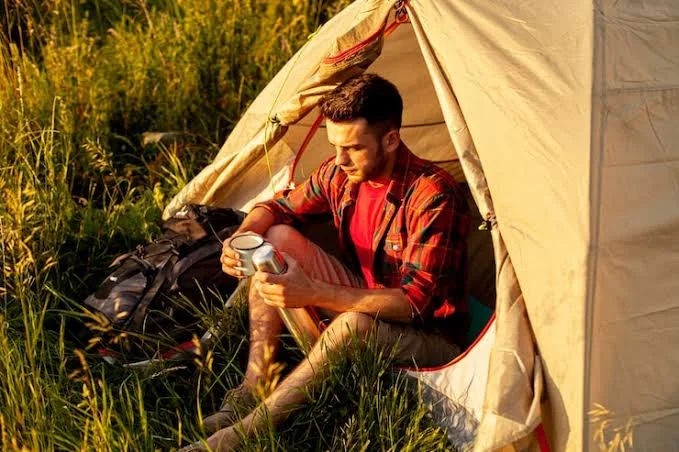
Pick a campsite with other people around. Toilets. Drinking water. Maybe a caretaker. Sounds boring? Good. Boring is what you want on trip number one.
Here is what I look for. Recent reviews that mention safety. Photos that show the actual site, not just mountains. A phone number I can call if I get lost on the way.
When you reach, go say hello to the manager. Tell them you are alone. Nine times out of ten they will keep an eye out. Some will even check on you at night. That matters more than any gadget you can buy.
Read Also: Tent Camping Tips For Beginners
Tell Someone Where You Are Going
This takes two minutes. Do it anyway.
Send your location to a friend. Tell them your plan. When you will reach. When you will leave. When you will be back home.
Do not assume phone signal will work. In many camping spots it does not. Write emergency numbers on paper. Keep them in your pocket. Your phone can die. Paper cannot.
Reach Before Dark
I cannot stress this enough. Setting up a tent in daylight is easy. In the dark it is a nightmare. Everything tangles. You cannot find the pole sleeves. You stab yourself with a peg.
Reach with two hours of daylight left. Minimum. This gives you time to set up, walk around, find the toilet, and settle in before sunset.
Leave home earlier than you think you need to. Roads surprise you. Google Maps lies. Dhaba stops take longer than expected.
Gear That Actually Matters
You do not need fancy equipment. You need stuff that works and that you know how to use.
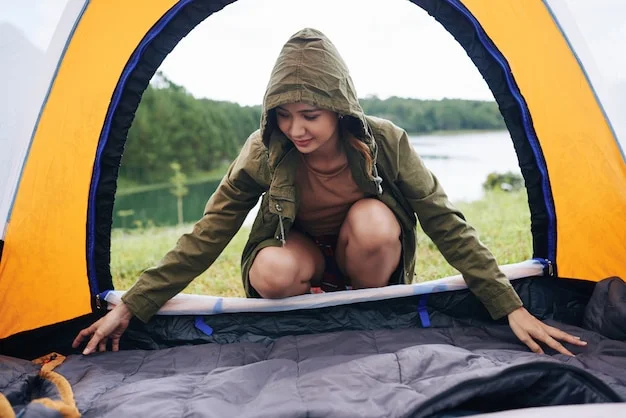
Tent: Get a two-person tent even though you are one person. You need space for your bag inside. Keeps things dry. Keeps insects out.
Sleeping bag: Check the temperature rating. Summer in the plains is fine with a light bag. Hills get cold at night even in May. I learned this the hard way in Kasauli. Shivered till 4am.
Sleeping mat: Do not skip this. The ground sucks heat out of your body. A cheap foam mat is better than nothing.
Headlamp: Way better than a torch. Hands stay free. You can cook, read, walk to the toilet, all without holding anything.
Small lantern: One for inside the tent. Makes the evening feel less like a cave.
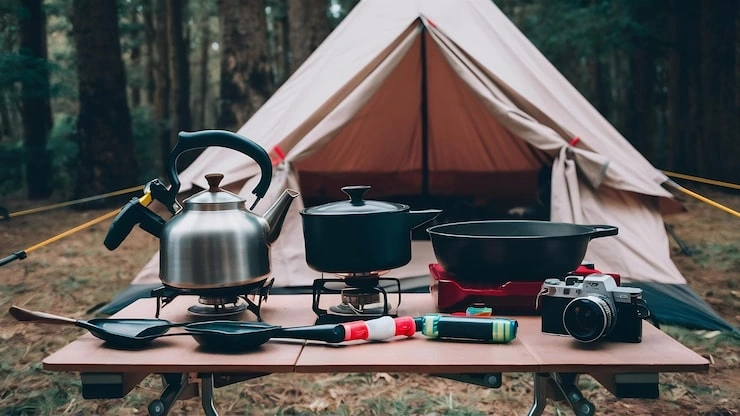
Stove and pot: A small gas stove and one pot is enough. You are not running a restaurant.
One plate, one bowl, one mug, one spoon. That is it. Do not bring your whole kitchen.
Food That Will Not Ruin Your Trip
Maggi is fine. But if you eat Maggi for three meals you will hate yourself.
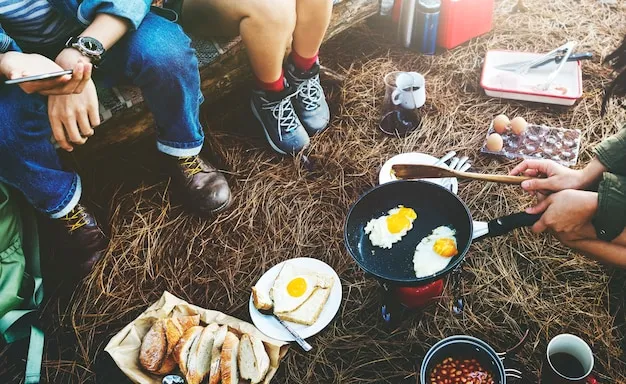
Bring food you actually like. Pre-cooked rice packets work well. Theplas last a day or two without fridge. Dry sabzi, pickles, energy bars, biscuits, oranges. Tea bags. Coffee sachets.
Skip meat unless you have a cooler. Stomach trouble in the middle of nowhere is genuinely dangerous. I have seen it happen to a guy at a campsite in Lonavala. He spent the whole night in the toilet block. Not fun.
Water. Carry two liters per person per day minimum. If the site has drinking water, refill there. But always keep backup.
The First Night Is the Hardest
Nobody tells you this. The first night alone is weird.
Every sound seems loud. A mouse sounds like a bear. Wind sounds like footsteps. Your brain makes up stories.
This is normal. It happens to everyone.
Two things help. Set up your sleep space before dark so you are not fumbling around. And have something to do after dinner. Book. Podcast. Journal. Something that gives your mind a job.
Second night? Way easier. If you are only doing one night, that is fine. You will still learn a lot.
Trust Your Gut
If something feels off, leave. No shame in it.
You do not owe anyone a brave night. If a person near your campsite gives you a bad feeling, move. If the weather turns, pack up. If you just cannot settle, drive to a hotel.
I have left a campsite once. Middle of the night. Something felt wrong. Turned out to be nothing. But I slept better in my car at a petrol pump than I would have there.
Your instincts are older than your thoughts. Listen to solo camping tips for beginners.
You May Also Like: Fun Camping Activities for Families
Keep Your Camp Clean
Animals have good noses. Raccoons, monkeys, dogs, even squirrels will find your food if you leave it out.
Store food inside your tent or in a sealed bag. Do not leave crumbs around. Wash your dishes right after eating. Do not leave smelly stuff like toothpaste or soap outside.
This is not just about animals. It is about leaving the place better than you found it. Pack out everything. Wrappers, tea bags, tissue, everything. If there is no toilet, dig a small hole. Six inches deep. Away from water. Cover it after.
Do Not Be the Loud Camper
Music. Please do not.
The whole point of camping is quiet. If you want to listen to Bollywood hits, stay home. Other campers came here to escape that.
Same with phone calls. Take them away from the campsite if you must. Keep your voice down. Wildlife also appreciates the quiet.
Start Small
One night. Nearby. That is your first trip. You will learn what you actually use. What you forgot. What you carried for no reason. What food worked. How you handle being alone. Next trip will be easier. And the one after that even more.
After a few trips you will have your own system. Your own packing list. Your own spots. You will know exactly how much water you drink and what time you get hungry. That is when solo camping becomes something you look forward to. Not something you survive. And one day you will be the person at the campsite helping a nervous first-timer set up their tent. Because you remember being them.