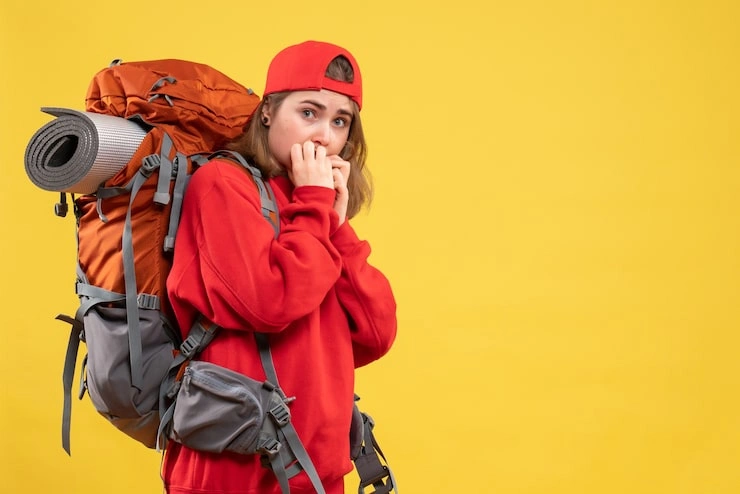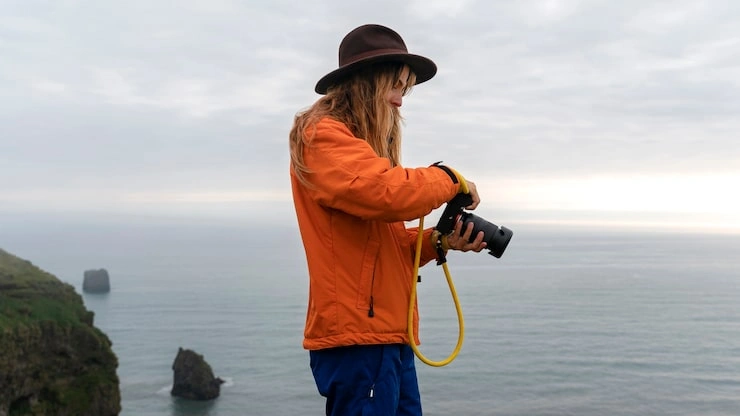
I have carried too much camera gear up a mountain. I know what that feels like. Your back starts to hurt after the first mile. Your shoulders get sore. You stop wanting to take pictures. You just want to get to the top and sit down.
That is not why we hike. We hike to see things. We hike to feel things. We hike to bring back photos that show what we saw. Heavy gear stops that from happening.
This is what I have learned after two hundred miles of hiking with lightweight camera setup for hiking photography.
Capture Nature: Hiking Photography Made Easy
The Weight Problem
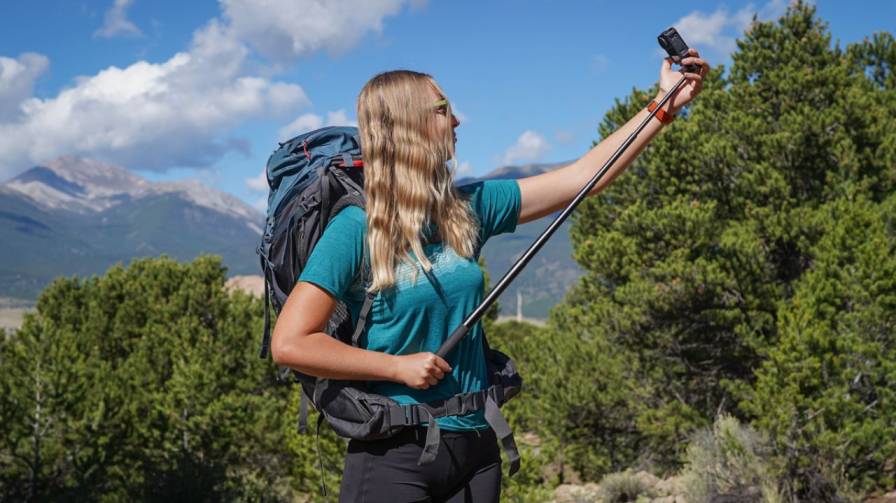
Every extra pound changes your hike. You walk slower. You breathe harder. Your knees take more stress. A ten-pound camera bag feels like twenty pounds after three hours of uphill.
I weighed my old kit once. Body. Three lenses. Big tripod. Filters. Spare batteries. It came to twelve point four pounds. That is a lot. That is too much.
My new kit weighs four pounds total. The difference is huge. I finish hikes less tired. I take more photos. I actually enjoy carrying my camera.
Read Also: Best Outdoor Photography Lighting Tips Without Flash
Camera Bodies That Work
The camera body matters most for weight.
Mirrorless cameras are your friend here. They cut weight without cutting quality. A Fuji X-T5 weighs one pound and one ounce. A Sony A7C II weighs one pound and two ounces. A Nikon Z6 III weighs one pound and six ounces.
Compare that to a DSLR. A Nikon D850 weighs two pounds. A Canon 5D Mark IV weighs one pound and twelve ounces. That extra half pound stays on your neck all day.
Smaller sensors save even more weight. Micro Four Thirds cameras like the OM System OM-5 weigh just fourteen ounces. The lenses for these cameras are tiny. You can carry two lenses and still weigh less than one full-frame lens.
I use a Micro Four Thirds camera now. The image quality is good enough for prints up to twenty-four inches. That is big enough for my wall.
Some hikers use high-end compacts. The Sony RX100 VII fits in a pocket. It weighs less than a pound. The lens is built in. No lenses to carry. No decisions to make about which lens to bring.
One Lens or Two
Lenses are heavy. Glass is dense. Metal barrels add weight.
One lens is the easiest answer. You pick one lens and you commit. No switching. No extra weight. No dust on your sensor from changing lenses in the wind.
I carry a 14-140mm zoom. That is a ten times zoom range. Wide enough for big mountain views. Long enough to get wildlife from a safe distance. The lens weighs just over half a pound.
Some people prefer a prime lens. A 25mm f/1.4 is small. It weighs almost nothing. It lets in lots of light. You can shoot in forests and at dusk without a tripod. But you cannot zoom. You move your feet to frame shots.
Two lenses give you more options. A wide lens for landscapes. A telephoto for details. The key is keeping both small. Look for lenses with f/4 or f/5.6 maximum apertures. They weigh less than f/2.8 lenses. They cost less too.
Do not bring your f/2.8 trinity. Do not bring your fast primes. Do not bring your big super-telephoto. Leave them at home.
Tripods Are Optional
You do not always need a tripod.
Modern cameras have image stabilization. My camera has five stops of stabilization. That means I can shoot at one-fifteenth of a second without blur. That is enough for most daylight scenes.
I only bring a tripod for specific things. Night sky photos. Waterfalls with silky water. Sunrise shots where I want to be in the frame. That is maybe one out of every five hikes.
When I bring a tripod, I bring a carbon fiber travel tripod. It weighs two pounds. It folds down to twelve inches. It fits in my backpack next to my water bottle.
A tabletop tripod is even lighter. I used one on a trip to the Grand Canyon. I set it on rocks and logs. It worked fine. It weighed eight ounces.
Try using your backpack as a support. Put your camera on top of your pack. Use the self-timer. You get a steady shot without carrying extra gear.
Accessories I Actually Use
I have bought many accessories over the years. Most of them sit in a drawer now.
Spare batteries are worth carrying. They weigh almost nothing. Cold weather kills batteries fast. I bring two spares in my pocket. My body heat keeps them warm. Memory cards weigh nothing. I bring three cards. Each one holds a thousand photos. I never run out. A good strap makes a difference. The factory strap is thin. It digs into your neck. I use a padded sling strap. The camera hangs at my hip. My neck does not hurt. I carry a small microfiber cloth. My lens gets dirty on every hike. Dust. Fingerprints. The cloth fixes that. A blower bulb pushes dust off my sensor. I use it when I change lenses. It weighs a few grams.
Things I Leave at Home
This list matters more than what I bring.
I leave my big camera bag at home. It weighs three pounds empty. I use a padded insert instead. The insert goes inside my regular hiking pack. My pack already has straps and padding. I leave my battery charger at home. For a day hike, one full battery is enough. For overnight trips, I bring a tiny USB charger. It weighs three ounces.
I leave most of my filters at home. I used to carry a polarizer, graduated ND filters, and a solid ND filter. Now I just carry a polarizer. I correct the rest in editing. I leave my laptop at home. I do not edit on the trail. I wait until I am back. I leave my second body at home. One camera is enough. Two is too much.
How I Pack Everything?
The way you pack changes how you shoot.
- My camera insert goes at the top of my pack. I can open my pack and grab my camera without digging. That means I take more photos.
- My spare battery goes in my chest pocket. I can reach it without taking my pack off.
- My lens cloth goes in my pant pocket. I clean my lens every time I stop for water.
- My tripod straps to the outside of my pack. It does not take up internal space.
- My pack has a rain cover. I put it on when clouds come. My gear stays dry.
Read: Best Outdoor Wildlife Photography Tips for Beginners
Safe Habits on the Trail
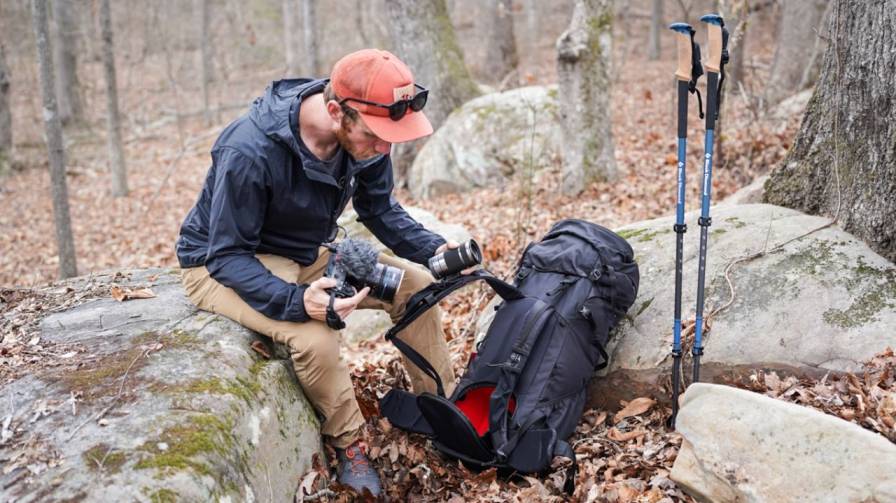
- Dropping your camera is easy. You get tired. You slip. You set it down on a sloped rock.
- I use my strap all the time. It stays around my neck or shoulder. If I drop it, it falls two inches, not twenty feet.
- I never change lenses while walking. I stop. I find a clean spot. I turn my back to the wind. Dust gets in less often.
- I check weather before I go. But mountain weather changes. I carry a small dry bag. If rain starts, my camera goes in the dry bag.
- I hide my gear at trailheads. Thieves target popular spots. I put my camera bag under my seat or in my trunk before I start. I do not leave it visible.
Shooting While Hiking
You cannot stop every ten feet. You would never finish the hike.
I stop at big views. I stop when the light changes. I stop when I see something interesting. I keep moving the rest of the time. I shoot in aperture priority mode. I set the aperture I want. The camera handles the rest. I do not fiddle with settings. I use auto ISO. The camera picks the right ISO for the light. One less thing to think about. I bracket my shots sometimes. Three frames. One normal. One dark. One light. I blend them later. This works for high contrast scenes.
I take lots of photos. Storage is cheap. Missing a shot costs nothing. I can delete later.
How I Improved?
- I used to carry too much. I used to come home tired. I used to take few lightweight camera setup for hiking photography.
- I started weighing my gear. I wrote down the weight of everything I brought. Then I asked myself what I actually used.
- I found I used my 24-70mm lens ninety percent of the time. My 70-200mm came out five times. My macro lens came out once.
- So I stopped bringing the 70-200mm. I stopped bringing the macro. I saved three pounds.
- I got rid of my heavy bag. I bought a small insert. I saved another two pounds.
- I switched from a DSLR to a mirrorless camera. That saved one pound.
- My total weight dropped from twelve pounds to four. I take more photos now. I enjoy hiking again.
Final Advice
Start with what you have. Weigh everything. Leave things behind. If you buy new gear, buy light. Buy compact. Buy what you will actually carry. Do not buy features you will not use. Four thousand dollars for a camera that sits on a shelf is a waste. A five hundred dollar camera that comes on every hike is a good deal.
Test your setup on a short hike first. See what works. See what hurts. Change it. Your perfect setup is unique to you. It depends on your body. It depends on your trails. It depends on your photography.