Your first backpacking trip is exciting. You have your pack ready, your route planned, and your boots broken in. Then you start thinking about food. What do you bring? How much? Will it taste good after a long day of hiking?
These questions trip up almost every beginner. The good news is that you do not need fancy gear or expensive freeze-dried meals to eat well in the backcountry. You just need a simple plan.
This guide walks you through everything you need to know about backpacking food for beginners. You will learn what makes good trail food, which meals work best, how to pack it all, and how to avoid the most common mistakes.
What Makes Good Backpacking Food?
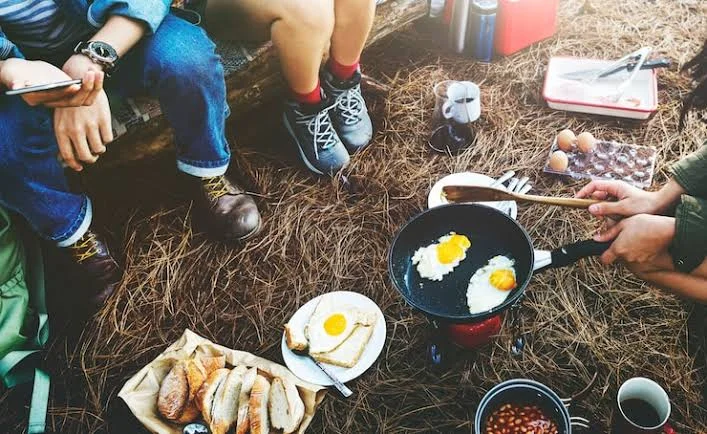
Before you think about specific meals, you need to understand what trail food needs to do. Backpacking food is different from regular food because you have to carry it on your back. Every ounce matters.
Good backpacking food has three things in common. It is light, it does not spoil, and it gives you energy. That is the basic formula.
Weight matters because you might hike ten or fifteen miles in a day. Carrying heavy food makes every step harder. Food that contains a lot of water weighs more. Fresh fruits and vegetables are mostly water. That is why most backpacking food is dry.
Shelf life matters because you will not have a refrigerator. Food that spoils quickly is not an option. You need items that can sit in your pack for days without going bad.
Energy matters because hiking burns a lot of calories. Depending on your body, the terrain, and how far you hike, you might burn between 2,500 and 4,500 calories in a day . You need food that packs a lot of calories into a small amount of weight.
Calorie-dense foods give you more energy per ounce. Nuts, peanut butter, olive oil, and dried meats are all calorie-dense. They are excellent choices for backpacking .
You also want food that tastes good. This might sound obvious, but it matters more than you think. After a long day on the trail, a meal you enjoy can lift your spirits. A meal you dread makes the trip harder. Bring food you actually like to eat .
Read Also: Easy Camping Food Ideas For Beginners
How Much Food Should You Bring?
This is the question that worries most beginners. Bring too little and you will be hungry and low on energy. Bring too much and your pack will feel like it is full of rocks.
As a starting point, plan on bringing about one and a half to two pounds of food per day . That works for most beginner trips where you hike eight to ten miles a day.
But this number depends on several things. If you are hiking steep terrain or going more than fifteen miles a day, you will need more food. If you are hiking in cold weather, your body burns more calories to stay warm, so you need more food. If you are hiking in hot weather, you might eat less because your appetite drops.
Your body will also tell you what it needs. Some people burn more calories than others. Your metabolism, your body weight, and your fitness level all play a role.
The best approach is to start with a plan and adjust from there. After your first trip, you will have a much better sense of how much food you actually eat. Most beginners bring too much food on their first trip. It is better to bring a little extra than to run out, but you will learn to dial it in over time .
One more thing: always bring one extra meal. If something goes wrong and you are stuck out longer than planned, having an emergency meal keeps you safe .
Backpacking Breakfast Ideas
Breakfast gives you energy for the morning. You want something that is easy to make and gives you fuel for the trail.
Instant oatmeal is a classic backpacking breakfast for good reason. It is light, cheap, and quick to make. Just add hot water and wait a few minutes. You can buy plain packets and add your own toppings. Dried fruit, nuts, and a little brown sugar make it taste much better .
Grits work the same way as oatmeal. Some people prefer the texture of grits, especially in colder weather. They are warm and filling.
Granola with powdered milk is another option. You can eat it cold with water, or you can add hot water to make it more like a hot cereal. Granola gives you carbohydrates and some fat to start the day.
Toaster pastries like Pop-Tarts are not the healthiest choice, but they are light, durable, and require no preparation. Many backpackers bring them as a quick breakfast on mornings when they want to get moving fast .
Instant coffee or tea packets are essential if you need caffeine. You can also make a backcountry latte by mixing instant coffee with a packet of vanilla breakfast drink mix .
If you want something savory for breakfast, consider bringing a packet of instant ramen or a small pouch of tuna. It might sound strange, but after a few days on the trail, savory breakfasts can be very satisfying.
Backpacking Lunch Ideas
Lunch on the trail is often eaten without stopping for long. You might be hiking while you eat, or you might take a short break at a scenic spot. This means lunch should be easy to access and eat without much setup.
Tortillas with peanut butter are a staple for many backpackers. Tortillas are flat, so they do not get crushed in your pack like bread does. Peanut butter is calorie-dense and does not spoil .
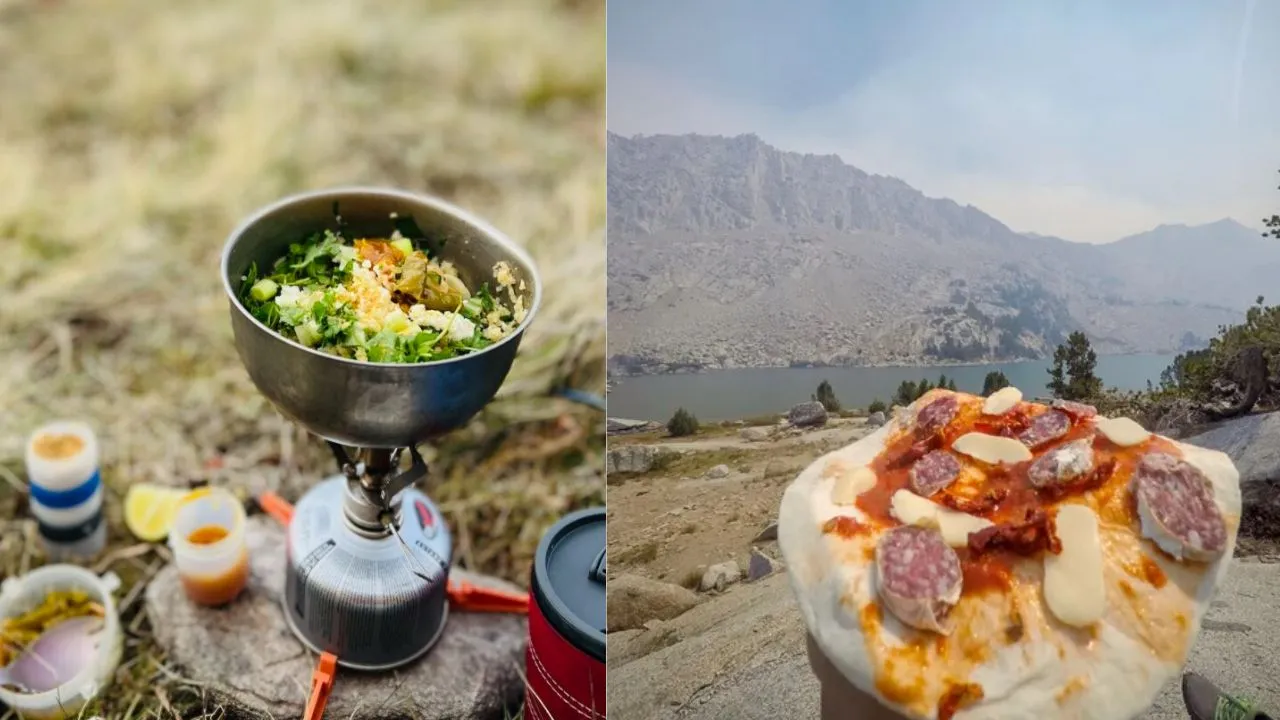
Crackers with hard cheese and salami is another classic. Hard cheeses like cheddar or parmesan last for days without refrigeration, especially in cooler weather. Cured meats like salami or pepperoni also keep well. Together, they make a satisfying lunch that feels like real food .
Tuna or chicken packets are excellent for lunch. They are lightweight, do not require cooking, and give you protein. You can eat them straight from the packet or put them in a tortilla with some mayonnaise packets .
Trail mix or GORP is a mix of nuts, dried fruit, and sometimes chocolate. You can make your own with whatever you like. It is easy to eat while hiking and gives you steady energy .
Energy bars and granola bars are convenient for lunch on the go. Look for bars that have a good mix of carbohydrates and protein. Some bars are basically candy, which is fine for quick energy but will not keep you full for long.
The key with lunch is to keep it simple. You do not want to spend thirty minutes preparing a meal when you could be hiking. Save the cooking for dinner.
Backpacking Dinner Ideas
Dinner is usually the biggest meal of the day for backpackers. You have stopped hiking, you have set up camp, and you finally have time to sit down and eat. This is the meal where you can be a little more creative.
Instant pasta or rice sides are the foundation of many backpacking dinners. Brands like Knorr make pasta and rice side dishes that you can cook with just boiling water. They are cheap, lightweight, and come in many flavors .
To make them more filling, add a protein. A pouch of chicken, tuna, or salmon turns a simple pasta side into a complete meal. You can also add dehydrated vegetables for more nutrition .
Ramen noodles are another base for easy dinners. You can eat them plain, or you can add a packet of meat, some dehydrated vegetables, and a little hot sauce. Ramen is cheap and light, making it a great option for beginners .
Instant mashed potatoes are surprisingly versatile. You can eat them plain, or you can add cheese, bacon bits, or a pouch of meat. They are warm, filling, and quick to make .
Mac and cheese works well on the trail. The boxed version that you find at any grocery store rehydrates easily. Add a pouch of chicken or tuna, and you have a hearty dinner .
Couscous is another excellent option. It does not even need to be cooked. You can just add boiling water and let it sit for a few minutes. Couscous works well with Mediterranean flavors like sun-dried tomatoes, olives, and feta cheese .
Three-ingredient meals are a great approach for beginners. You do not need complicated recipes. Just pick a base, a protein, and a flavor booster. For example, instant mashed potatoes plus summer sausage plus a vegetable pouch makes a simple but satisfying meal .
Another option is nachos in a bag. Put flavored tortilla chips in a bag, add a pouch of pulled pork and a single-serve guacamole cup, and you have a meal with no dishes to clean .
Snacks for the Trail
Snacks are just as important as meals on a backpacking trip. You should be eating throughout the day, not just at mealtimes. Snacking keeps your energy steady and prevents you from crashing.
Nuts and trail mix are the classic backpacking snack. They are calorie-dense, lightweight, and do not spoil. You can make your own mix with whatever nuts, dried fruit, and chocolate you like .
Jerky gives you protein and salt, which you lose when you sweat. Beef jerky, turkey jerky, and salmon jerky all work well. They are light and durable .
Dried fruit is sweet and gives you quick energy. Raisins, dried mango, dried apricots, and banana chips are all good choices. They are lighter than fresh fruit and do not get squished in your pack .
Candy might not be the healthiest snack, but it gives you fast energy and can be a nice treat. Chocolate, gummy bears, and hard candies all work. Just be careful with chocolate in hot weather, as it will melt .
Energy bars are convenient and give you a mix of nutrients. Look for bars with real ingredients and a good balance of carbs, protein, and fat.
Crackers are good for snacking and also work as a base for cheese or peanut butter. They are light and do not take up much space.
The key with snacks is to bring a variety. If you eat the same snack bar every day for a week, you will get tired of it. Having different options keeps things interesting .
You May Also Like: Chuck Roast Recipes: A Complete Guide
No-Cook Backpacking Food Options
You do not always need a stove. Some backpackers choose to go stoveless to save weight and simplify their trip. Even if you bring a stove, having some no-cook options is useful for days when you are too tired to cook or when fire restrictions are in place.
Cold-soaked meals are the main option for stoveless backpacking. You put your food in a container with water and let it sit for a few hours. By the time you reach camp, it is ready to eat.
Couscous works very well for cold soaking. It rehydrates in about fifteen to twenty minutes with cold water . Instant rice takes longer, sometimes an hour or more.
You can make a cold-soaked Spanish rice dish with instant rice, salsa, olive oil, and spices. Let it sit with water for an hour and a half, then add the salsa and toppings .
A couscous chickpea salad with olives, raisins, and spices is another good no-cook option. It takes about twenty minutes to rehydrate .
Tuna pasta salad can be made without cooking. Use ramen noodles that have been crushed, add dehydrated vegetables, and let them soak in water for thirty minutes. Then mix in mayonnaise packets, tuna, and spices .
For lunches and snacks, no-cook options include tortillas with peanut butter, crackers with cheese, trail mix, jerky, and energy bars. These require no preparation at all.
Going stoveless means you save the weight of your stove and fuel. It also means you do not have to worry about cooking in bad weather or finding a flat spot for your stove. The trade-off is that you cannot have hot meals or hot drinks. Many backpackers find that the simplicity is worth it.
How to Pack Your Food?
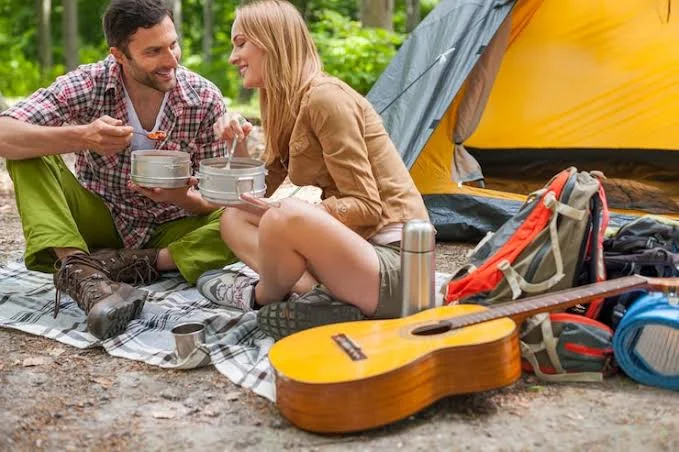
How you pack your food matters almost as much as what you bring. Good packing keeps your food organized, protects it from getting crushed, and makes it easy to find what you need.
Repackage your food at home. Most food comes in packaging that is heavier and bulkier than necessary. Transfer your food into zip-top bags or lightweight containers. This saves space and reduces the weight of packaging you have to carry .
For example, instead of bringing a whole box of pasta, put just the pasta you need in a zip-top bag. Instead of bringing a jar of peanut butter, put some in a small squeeze tube or a lightweight plastic container.
Label your bags. If you are bringing multiple meals, label each bag with what is inside and which day you plan to eat it. This makes it easy to find your dinner after a long day of hiking.
Organize by day. Some backpackers pack each day's food in a separate bag. This makes it easy to grab what you need and helps you keep track of how much food you have left.
Keep snacks accessible. You want to be able to snack while you hike without taking off your pack. Keep your trail mix, bars, and jerky in an outside pocket of your pack or in a hip belt pocket.
Protect your food from animals. In many areas, you need to store your food in a bear canister or hang it from a tree. Animals can smell food through packaging, so proper storage is essential. Even if you are in an area without bears, smaller animals like mice and raccoons can get into your food if it is not protected .
Pack out your trash. Everything you bring in, you need to bring out. That includes food wrappers and packaging. Bring a small bag for trash and keep it with your food so you do not forget it.
Common Mistakes Beginners Make
Learning from other people's mistakes is easier than making them yourself. Here are the most common food mistakes that beginners make on backpacking trips.
Bringing too much food. This is the most common mistake. New backpackers worry about going hungry, so they pack way more food than they need. The result is a heavy pack and sore shoulders. Start with the recommended one and a half to two pounds per day and adjust from there .
Bringing food that is too heavy. Canned foods are heavy because they contain water. Fresh fruits and vegetables are also heavy. Stick to dry foods and lightweight pouches for most of your meals.
Bringing food you do not actually like. Some people buy backpacking meals because they seem like the "right" thing to bring, even though they do not enjoy eating them. Bring food you like. If you hate oatmeal at home, you will really hate it on the trail .
Not bringing enough variety. Eating the same thing every day gets old fast. Bring different flavors and textures. Mix sweet and salty, soft and crunchy. Variety keeps you interested in eating, which matters when you need the energy .
Forgetting to bring enough snacks. Some beginners focus on meals and forget about snacks. But you should be eating throughout the day, not just at mealtimes. Snacks keep your energy up and prevent you from getting too hungry before dinner.
Not testing your food at home. Before your trip, try the meals you plan to bring. Make them at home using the same method you will use on the trail. This helps you catch problems before you are in the backcountry. You might discover that a meal takes longer to rehydrate than expected, or that you do not like the taste.
A Sample One-Day Backpacking Menu
Here is an example of what a day of backpacking food might look like. This gives you an idea of how to combine different types of food throughout the day.
Breakfast: Instant oatmeal with dried fruit and nuts, plus instant coffee or tea.
Morning snack: Trail mix with nuts, raisins, and chocolate.
Lunch: Tortilla with peanut butter and banana chips, plus a granola bar.
Afternoon snack: Beef jerky and dried mango.
Dinner: Instant pasta side with a pouch of chicken and dehydrated vegetables, plus a piece of dark chocolate for dessert.
Evening: Herbal tea or hot chocolate before bed.
This menu provides a mix of carbohydrates, protein, and fat. It includes foods that require cooking and foods that do not. It also has variety in flavor and texture.
You can adjust this based on your preferences and dietary needs. The important thing is to have a plan that covers all your meals and snacks for the day.
Frequently Asked Questions
How many calories do I need per day while backpacking?
Most backpackers need between 2,500 and 4,500 calories per day, depending on their body, the terrain, and how far they hike . A strenuous day with a heavy pack and steep climbs might require more.
Do I need a stove for backpacking?
No, you do not need a stove. Many backpackers go stoveless to save weight. You can eat cold-soaked meals, tortillas with peanut butter, crackers with cheese, and other no-cook foods. However, a stove lets you have hot meals and hot drinks, which can be comforting after a long day.
What foods should I avoid bringing?
Avoid canned foods, which are heavy. Avoid fresh fruits and vegetables that bruise easily, like bananas and avocados. Avoid foods in glass jars, which can break and are heavy. Avoid anything that requires refrigeration .
How do I keep my food from getting crushed?
Pack soft foods in hard containers or at the top of your pack. Use tortillas instead of bread, since tortillas do not get crushed. Put crackers and chips in a hard-sided container if you want them to stay intact.
Can I bring fresh food?
You can bring some fresh food for the first day or two of your trip. Hard cheese, salami, carrots, apples, and bell peppers can last a day or two in your pack. After that, you will need to rely on dry and shelf-stable foods .
What if I have dietary restrictions?
There are backpacking food options for almost every diet. Vegetarians can bring peanut butter, nuts, cheese, and bean-based meals. Vegans can bring peanut butter, nuts, dried fruit, and instant meals that do not contain animal products. People who are gluten-free can bring rice-based meals, corn tortillas, and gluten-free oatmeal.
How do I store food in bear country?
Use a bear canister or hang your food from a tree according to local regulations. Do not keep food in your tent. Even snacks and toothpaste should be stored away from your sleeping area .
Final Thoughts
Backpacking food does not have to be complicated. The basic principles are simple: bring food that is light, does not spoil, and gives you energy. Bring food you actually like to eat. Pack it in a way that is organized and protects it from getting crushed.
Start with simple meals. Instant oatmeal for breakfast, tortillas with peanut butter for lunch, and instant pasta with a protein pouch for dinner. Add snacks like trail mix, jerky, and dried fruit. Bring a little more than you think you need for your first trip, then adjust based on what you actually eat.
The most important thing is to get out there and try it. Your first backpacking trip will teach you more than any guide can. You will learn what foods work for you, how much you actually eat, and what you enjoy after a long day on the trail.