Car camping sounds simple. You drive to a campsite, park, and sleep outside. No hiking required. No carrying heavy gear on your back for miles. That's the appeal. It's the easiest way to get outdoors without suffering.
But here's what most beginners discover on their first trip: sleeping in a car or tent at a campground is not like sleeping at home. The ground is hard. The temperature drops. Your stuff ends up everywhere. And you realize you forgot something important when it's too late to buy it.
This checklist covers every category of gear you need. It's written for someone who has never done this before. No jargon. No unnecessary products. Just the things that actually matter for a comfortable car camping checklist for beginners.
What Car Camping Actually Means?
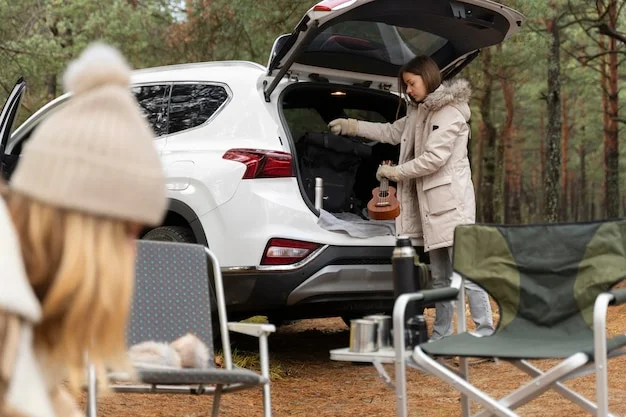
Car camping means you drive to your campsite and set up camp next to your vehicle. You don't sleep in your car necessarily. Most people pitch a tent right next to where they parked. The car carries your gear so you don't have to.
This is different from backpacking. With backpacking, you carry everything you need on your body. With car camping, you can bring coolers, full-size pillows, chairs, and whatever else makes you comfortable. Your vehicle is your storage unit.
The main advantage for beginners is that car camping requires almost no skill. You park, you set up, you relax. If something goes wrong, you can drive to a store or go home. That safety net makes it the best entry point into outdoor overnight trips.
Read Also: Solo Camping Tips For Beginners
Sleep System: The Part That Makes or Breaks Your Trip
If you sleep badly, you will hate camping. This is not an exaggeration. Most people who try camping once and never go again do so because they slept terribly.
Your sleep setup is where you should spend the most money and attention. Here's what you need.
A sleeping pad or air mattress. The ground pulls heat from your body. Without insulation underneath you, you will be cold even in a good sleeping bag. Look for a pad that is at least 3 inches thick and 25 inches wide. Thin backpacking pads are not comfortable for car camping. You have room in your car. Use it.
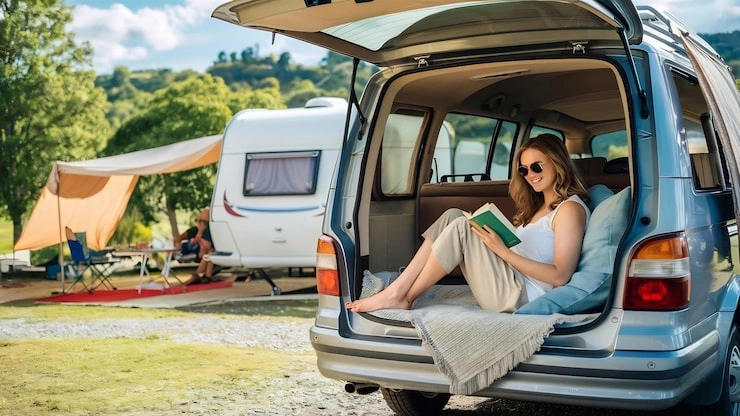
For couples, a double-wide pad works well. Inflatable car mattresses that fit in the back of an SUV are another option. They turn your vehicle into a bed, which can be more comfortable than a tent for some people.
A sleeping bag rated for the temperature. Check the overnight low for where you're going. Then buy a bag rated at least 10 degrees lower than that number. If the low is 45 degrees, get a bag rated for 35 degrees. Bag ratings are usually optimistic. You want a buffer.
If you run cold, add a sleeping bag liner. It adds warmth without much bulk.
A real pillow from home. Camping pillows are small and flat. They work for backpacking because weight matters. For car camping, weight doesn't matter. Bring your actual pillow. Your neck will thank you.
A sleeping platform if you want to sleep in your car. Some people skip the tent entirely and sleep inside their vehicle. This works if your seats fold flat. If they don't, you can build a simple platform out of plywood and two-by-fours. Plans are widely available online, and the materials cost under $100. The platform creates a flat surface with storage space underneath.
Shelter: Tent or No Tent
You have two options for car camping: sleep in a tent or sleep in your car.
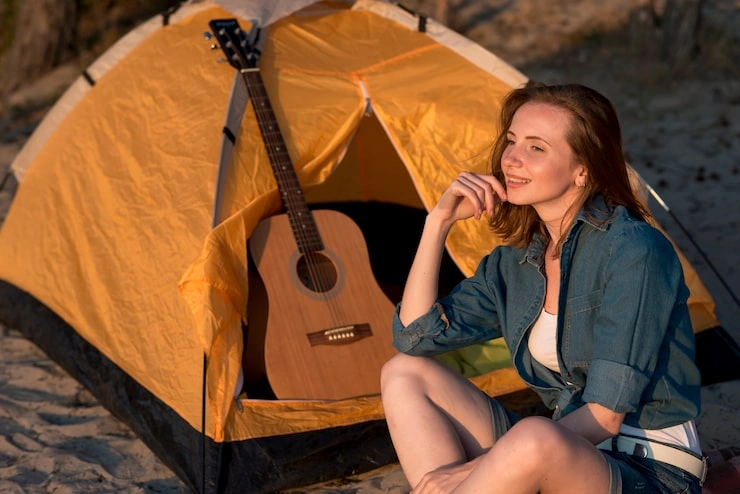
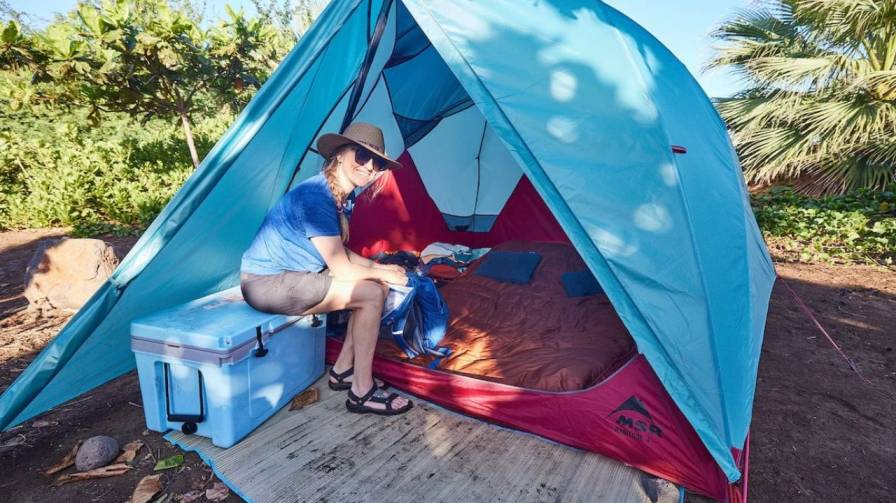
Sleeping in a tent is the traditional approach. You get more space, better ventilation, and the feeling of actually being outdoors. Tents are easy to set up once you practice. Do a test run in your backyard before your trip. Putting up a tent for the first time in the dark at a campsite is frustrating.
For beginners, a simple dome tent works fine. Get one slightly larger than the number of people using it. A two-person tent is cramped for two adults. A three-person tent gives you room for gear and moving around.
Sleeping in your car is simpler in some ways. No tent to set up. No ground to sleep on. But it has drawbacks. Condensation builds up inside the vehicle overnight. You need to crack windows for airflow. Space is tight unless you have a van or large SUV. And you have to move all your gear to make room for sleeping.
Many beginners start with a tent and switch to car sleeping after they figure out what they prefer.
Cooking and Food
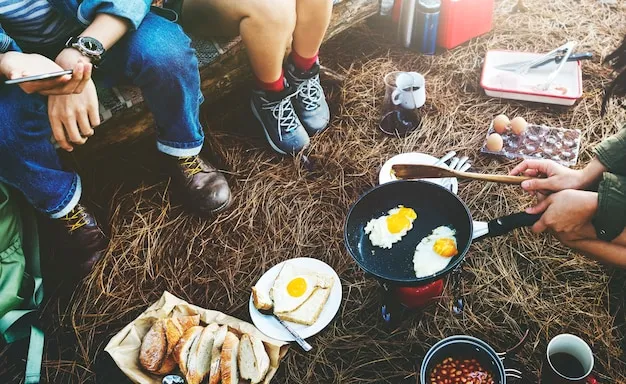
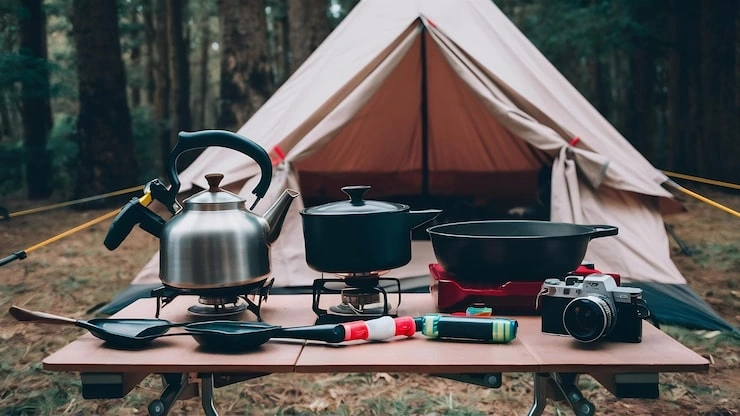
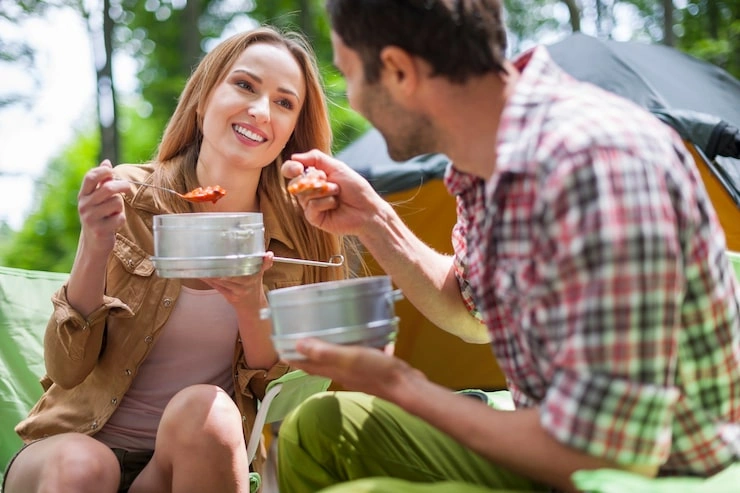
One of the best parts of car camping is eating well. You're not limited to freeze-dried meals like backpackers. You can bring a cooler, a real stove, and fresh food.
A two-burner camp stove. This is the standard for car camping. It runs on propane and puts out enough heat to actually cook, not just boil water. A single burner works if you're solo or just making coffee, but two burners let you cook a real meal.
Fuel for your stove. Match the fuel to your stove. Most use small propane canisters. Bring one extra canister beyond what you think you need. Running out of fuel halfway through dinner is annoying.
A cooler. You need a way to keep perishable food cold. A basic hard-sided cooler with ice works. Pre-chill it before your trip by putting a bag of ice inside the night before. This makes the ice last longer.
If you camp often, a 12-volt cooler or fridge that plugs into your car is worth considering. It eliminates ice runs and keeps food at consistent temperatures.
Cookware and utensils. You don't need much. A pot for boiling, a pan for frying, a spatula, a knife, a cutting board, and a can opener. Bring plates, bowls, and utensils for each person.
Water. Assume you need three liters per person per day for drinking and cooking. Bring more than that. A five-gallon water jug is a good container for car camping.
Trash bags. Bring more than you think you need. You'll use them for trash, wet clothes, and keeping things organized. A clean campsite is a happy campsite.
You May Also Like: Camping Alone As A Woman What To Know
Clothing: Dress for Layers
The weather at a campsite changes more than you expect. Mornings are cold. Afternoons are warm. Evenings get cold again. You need to adjust throughout the day.
Avoid cotton. Cotton holds moisture and dries slowly. If it gets wet from sweat or rain, it stays wet and makes you cold. Synthetic fabrics and wool dry faster and manage moisture better.
Bring layers. A base layer, a mid layer like a fleece, and a rain jacket cover most conditions. You can add or remove pieces as the temperature changes.
Pack extra socks. Wet socks ruin morale faster than almost anything else. Bring at least one extra pair per day. Wool socks are best because they stay warm even when damp.
Camp shoes. After a day in hiking boots or sneakers, your feet will want something else. Sandals or slip-on shoes are perfect for wearing around camp.
A warm hat and gloves. Even in summer, nights can get chilly. A beanie takes up almost no space and adds significant warmth.
Light and Power
You need light for cooking dinner, finding things in your tent, and walking to the bathroom in the car camping checklist for beginners.
A headlamp. This is the single most useful piece of camping gear. It keeps your hands free. Get one with a red light mode so you don't blind everyone around you.
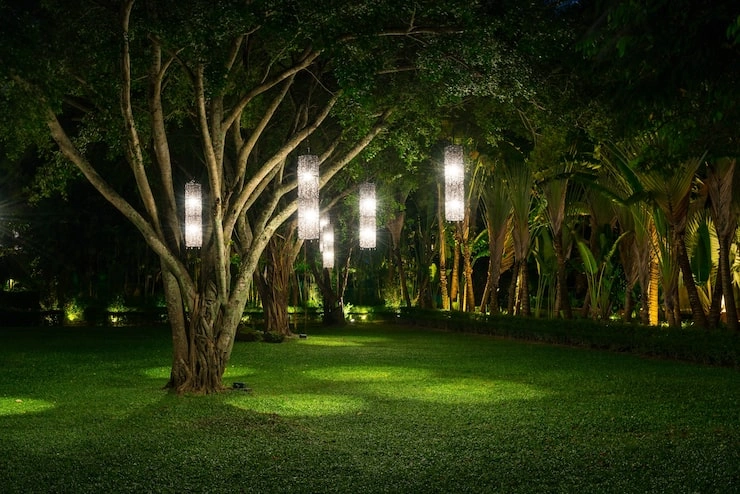
A lantern. A lantern lights up your whole campsite better than a flashlight. Battery-powered or rechargeable LED lanterns work well. You can also get string lights that run on batteries for a nicer atmosphere.
A power bank. Your phone will die faster than usual because it searches for signal in areas with weak coverage. Bring a portable battery to recharge it. A 10,000 mAh battery gives most phones two to three full charges.
Safety and Vehicle Prep
Car camping is safe when you prepare. Most problems are minor annoyances, not emergencies. But having the right gear makes those annoyances easy to handle.
Check your vehicle before you leave. Tire pressure, tread depth, spare tire, oil, and coolant. Long drives and rough roads strain your car. A basic check takes 20 minutes and prevents most roadside problems.
A first aid kit. Band-aids, antiseptic wipes, pain relievers, tweezers, and any personal medications you take. You don't need a surgical kit. Just the basics to handle small cuts and scrapes.
Jumper cables or a jump starter. Car batteries die. Maybe you left a light on. Maybe the battery is old. Having a way to jump-start your car saves you from waiting hours for help.
A basic tool kit. A multi-tool or a small set of screwdrivers, pliers, and a socket set handles most minor repairs. Zip ties and duct tape fix a surprising range of problems.
A tarp and rope. A tarp creates shade, blocks rain, or goes under your tent as a ground cloth. Rope or paracord has endless uses around camp.
Organization: The Difference Between Fun and Chaos
A disorganized car turns a relaxing trip into a frustrating scavenger hunt. You spend twenty minutes looking for the matches you know are somewhere under a pile of jackets.
Use storage bins. Clear plastic bins make it easy to see what's inside. Assign categories: one bin for cooking gear, one for food, one for clothes.
Pack by activity, not by item. Keep all your breakfast supplies together. Keep all your sleeping gear together. This makes setup and cleanup faster.
Keep essentials accessible. Your headlamp, water bottle, first aid kit, and snacks should be within arm's reach of the driver's seat. You don't want to dig through the trunk when you need something quickly.
Put things back where they belong. This sounds obvious, but it's the single habit that keeps your campsite and car organized. After you use something, put it back. At the end of each day, do a quick reset.
Finding a Place to Camp
You cannot just pull over anywhere and sleep. Most places have rules about overnight parking.
Use apps to find legal spots. iOverlander, Hipcamp, and Campendium show campsites, rest areas, and free camping spots where overnight stays are allowed. Read recent reviews. Conditions and rules change.
National and state parks are reliable options. They have designated campgrounds with bathrooms, picnic tables, and fire rings. You usually need a reservation, especially on weekends. Book early.
Dispersed camping on public land is free but has no facilities. You park on undeveloped land and bring everything you need, including a way to deal with waste. Check with the local land management office for rules before you go.
Arrive before dark. Setting up camp is much harder when you can't see. Aim to reach your site with at least an hour of daylight remaining.
What You Don't Need?
- Beginners often overpack. They bring things they never use. Here's what you can leave at home.
- You don't need a full set of kitchen knives. One good knife and a cutting board cover almost everything.
- You don't need multiple coolers. One good cooler is enough.
- You don't need heavy blankets for summer camping. Your sleeping bag is enough.
- You don't need a generator. A power bank and a lantern handle most electricity needs for a weekend trip.
- You don't need expensive technical clothing. Comfortable clothes you already own work fine for car camping.
Final Thoughts
Car camping is the easiest way to start camping. You drive somewhere, set up a comfortable spot, and enjoy being outside without the suffering of backpacking. The gear list looks long, but you don't need everything on day one. Start with a good sleep setup and basic cooking gear. Borrow items you're unsure about. Test things in your backyard before committing to a trip.