Surf fishing looks simple from the outside. You stand on the sand, cast a line into the waves, and wait. But anyone who has tried it knows the ocean does not make things easy. The beach is a moving environment. Water shifts, sand moves, and fish are rarely where you expect them to be. The good news is that surf fishing is a skill you can learn quickly if you focus on the right things. This guide covers exactly what a beginner needs to know, from choosing a rod to reading the water and picking the right moment to fish.
Start With the Right Rod and Reel
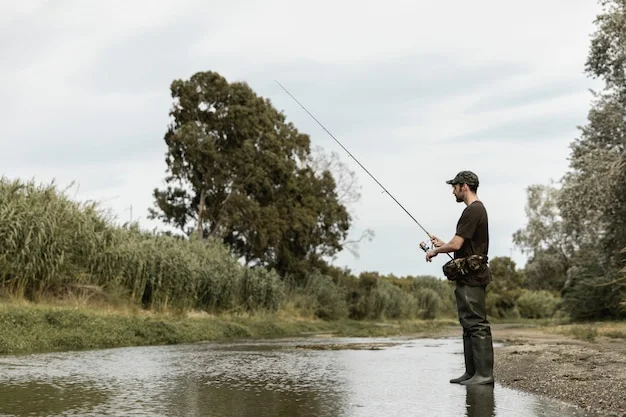
The first decision you will face is gear. Surf rods are longer than typical freshwater or bay rods because you need distance to reach past the breaking waves. For a beginner, a rod between 10 and 12 feet is the sweet spot . Shorter rods will struggle to send bait beyond the white water, while longer rods become heavy and tiring before you have even made your surf fishing tips for beginners.
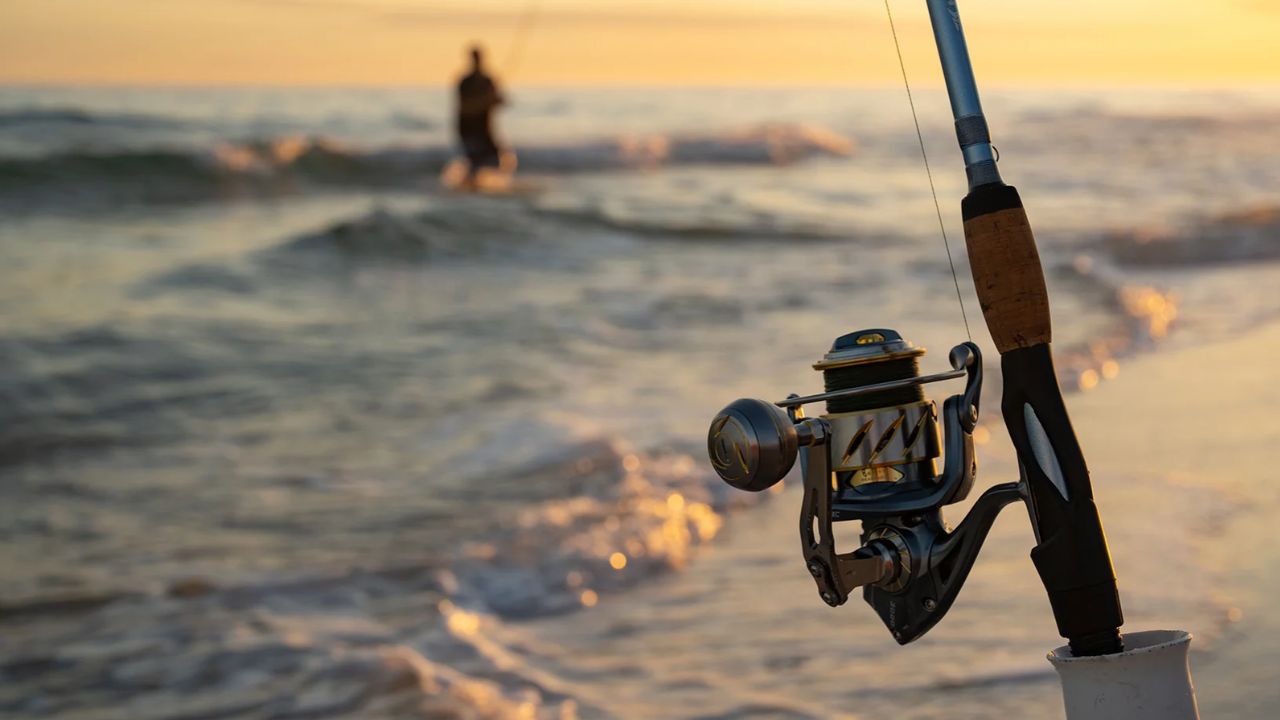
Pair that rod with a spinning reel in the 4000 to 6000 size range . This size gives you enough line capacity for long casts and enough power to handle a decent fish, but it stays light enough that your arm will not give out after an hour. Spinning reels are easier to learn than conventional reels, and they handle the sand and salt better when you are just starting out.
For line, 15 to 20 pound monofilament is a forgiving choice for beginners . Mono stretches slightly, which helps when a fish makes a sudden run, and it is more forgiving on the cast. Braided line offers more sensitivity and distance, but it can dig into itself on the spool if you are not careful. Start with mono and switch later if you want.
One accessory you should never fish without is a sand spike. This is a simple rod holder that you push into the sand. It keeps your reel out of the grit, which matters more than most beginners realize. Sand inside a reel will grind the gears and ruin the drag. A sand spike costs very little and protects your investment.
Read Also: Best Way To Rig A Soft Plastic Swimbait Weedless
Learn to Read the Beach Before You Cast
Most beginners walk onto the sand and cast straight out into whatever water is in front of them. That is a mistake. The beach is not uniform. Beneath the surface, there are channels, bars, and holes that concentrate fish. Learning to spot these features is the single most useful skill you can develop.
The easiest feature to find is a trough, also called a gutter. This is a deeper channel running parallel to the shore, often just past the first sandbar. Waves behave differently over a trough. Watch a wave as it rolls toward the beach. If it breaks early and then flattens out before reaching you, that flat section is likely a deeper hole or trough . Fish use these channels like highways, moving along the beach while staying close to deeper water.
Sandbars are the raised areas between troughs. You can spot them because waves break over them more aggressively. The edges of a sandbar, where it drops off into deeper water, are prime spots to cast . Fish sit on the deeper side of that edge, waiting for bait to get pushed over by the current.
Rips are another feature to look for. A rip is a patch of water flowing back out to sea, often visible as a darker or choppier section between waves. Swimmers avoid rips because they are dangerous. Fish are attracted to them for the same reason: bait gets pulled offshore, and predators wait at the edges to pick it off .
The best time to study a beach is at low tide. The water pulls back and exposes the structure that is normally hidden. You can see the bars, the troughs, and the holes. Take a photo or make a mental map, then return when the tide starts rising and fish those same spots .
Time Your Trip Around the Tide, Not the Clock
There is no single best time of day for surf fishing, but there is a best time relative to the tide. The general rule is that moving water produces better fishing than slack water. When the tide is rising, bait gets pushed into the shallows and fish follow. When it is falling, current pulls food out of the sand and off the beach, and predators take advantage of the chaos .
A common mistake is to fish only at high tide. High tide can be good, but the window just before and just after the peak is often better. Arrive a couple of hours before high tide and stay a few hours after . That gives you the full period of active water movement.
Low light periods are also worth prioritizing. Sunrise and sunset concentrate feeding activity because fish can move into shallow water with less risk of being seen by predators, and the low light makes it easier for them to ambush prey . A quiet morning at first light is often more productive than a crowded afternoon.
Wind matters too. On many coasts, a light offshore wind flattens the surf and clears the water, which makes casting easier and can pull bait fish closer to shore. A hard onshore wind stirs up the water and makes fishing uncomfortable and often less productive . Check the wind forecast before you go, not just the tide chart.
Keep Your Rigs Simple
Surf fishing does not require complicated tackle. Two rigs will cover almost everything a beginner needs. The first is a simple running sinker rig. Your main line runs through a sliding sinker, then attaches to a swivel, and a short leader goes from the swivel to your hook. When a fish picks up the bait, it can swim off without feeling the weight of the sinker. This rig works well for species that are cautious or light-biting .
The second is a two-hook drop rig, often called a paternoster rig. A weight sits at the bottom, and one or two hooks branch off above it on short leaders. This keeps your bait off the bottom and visible to fish swimming past. It is a good choice when you are fishing a trough or a channel and want to present bait at multiple depths .
Pre-tie several rigs at home before your trip. The surf is a harsh environment for knots and lines. A tangle or a break-off costs time. Having spare rigs ready means you can clip one on and get back to fishing in seconds instead of fiddling with knots while the tide runs through your surf fishing tips for beginners.
For hooks, a circle hook in the 1/0 to 3/0 range is a good starting point for most beginner-friendly species . Circle hooks tend to hook fish in the corner of the mouth, which makes release easier and reduces deep hooking. For weights, a pyramid sinker between 2 and 4 ounces holds bottom in most conditions. Use lighter weights in calm surf and heavier ones when the water is pushing hard .
Bait Choices That Actually Work
Bait selection can feel overwhelming when you walk into a tackle shop. Keep it simple. Fresh shrimp is one of the most universal baits for surf species. It stays on the hook reasonably well, it smells strongly, and almost everything that swims in the surf will eat it. Sand fleas, small crabs that burrow in the wet sand, are another excellent choice if you can find them. You can dig them up yourself by looking for small V-shaped marks in the sand at the water's edge.
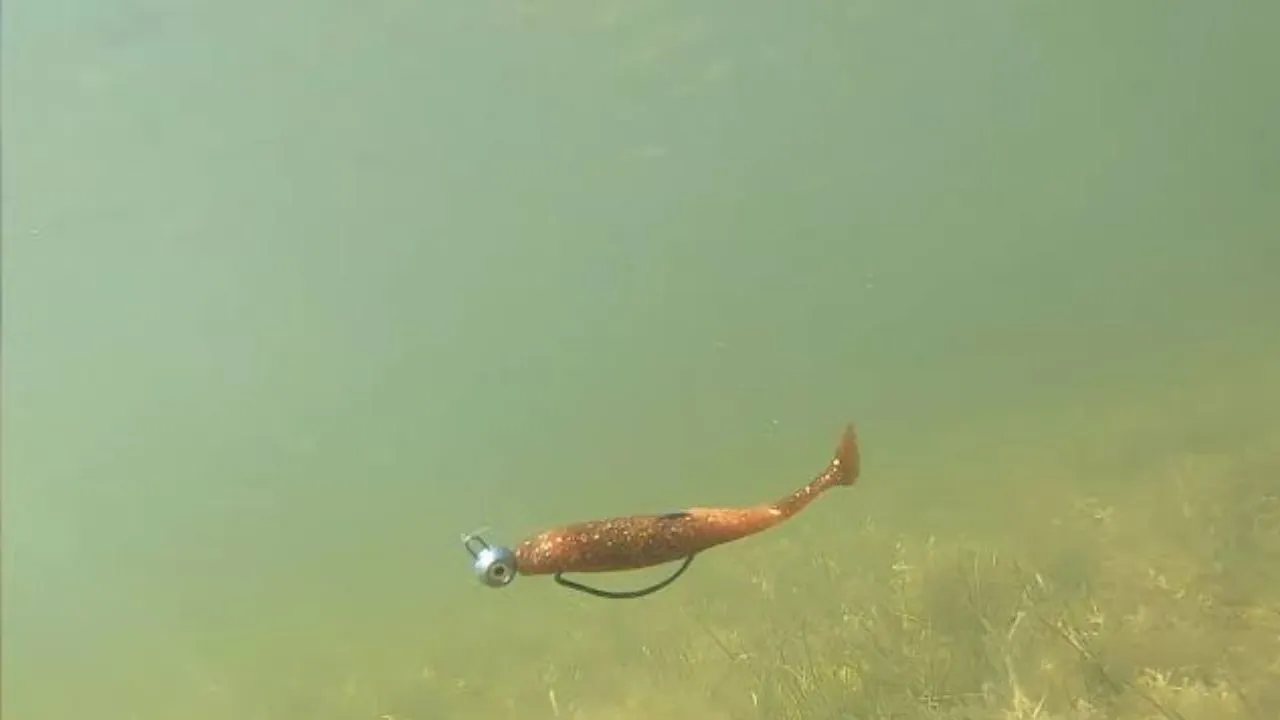
Cut bait, such as pieces of mullet or menhaden, works well when you are targeting larger fish. The oils and blood spread through the water and attract predators from a distance. Soft plastic lures and metal spoons are worth carrying if you want to cover more water and target actively feeding fish . A small selection of baits and lures is better than a massive tackle box you never use.
You May Also Like: What is the role of anchovies in symbiotic relationships?
Safety and Etiquette on the Beach
Surf fishing puts you in an environment that demands attention. Currents can be strong, waves can be unpredictable, and the sun and salt take a toll. Wear sun protection even on cloudy days. Bring water. And never turn your back on the ocean for long, especially when you are standing near the water's edge re-rigging or unhooking a fish.
If you are fishing near other people, give them space. A surf rod needs room for a full cast, and a careless backcast can hurt someone. Keep your gear organized and out of the walking path. And if you are fishing on a beach where swimmers are present, cast away from them, not toward them. A heavy sinker traveling at speed is not something to take lightly.
Finally, check your local regulations before you fish. You may need a saltwater license, and there may be size or bag limits for the species you catch. These rules exist to protect the fishery, and following them is part of being a responsible angler.
Putting It All Together
Surf fishing rewards patience and observation more than expensive gear. A beginner with a modest rod, a simple rig, and a basic understanding of how water moves on a beach will catch more fish than someone with top-tier tackle who casts blindly into the surf. Start by learning to see the structure in the water. Fish the edges of troughs and sandbars. Time your trips around moving tides and low light. Keep your rigs simple and your bait fresh. And give yourself permission to spend a few sessions learning the rhythm of a particular beach before you expect consistent results. The ocean is not random. It follows patterns, and once you start to see them, the fish become much easier to find.