Acadia National Park sits on the rocky coast of Maine. It is a place where granite mountains meet the Atlantic Ocean. The park is small compared to places like Yellowstone, but it packs a huge amount of scenery into a tight space. You can stand on a mountain at dawn and be on a rocky shore by lunch. This makes it a favorite for photographers. But finding the right spots at the right time takes planning. This guide covers the best places to take photos in Acadia, when to go, and what to expect when you get there.
Cadillac Mountain at Sunrise
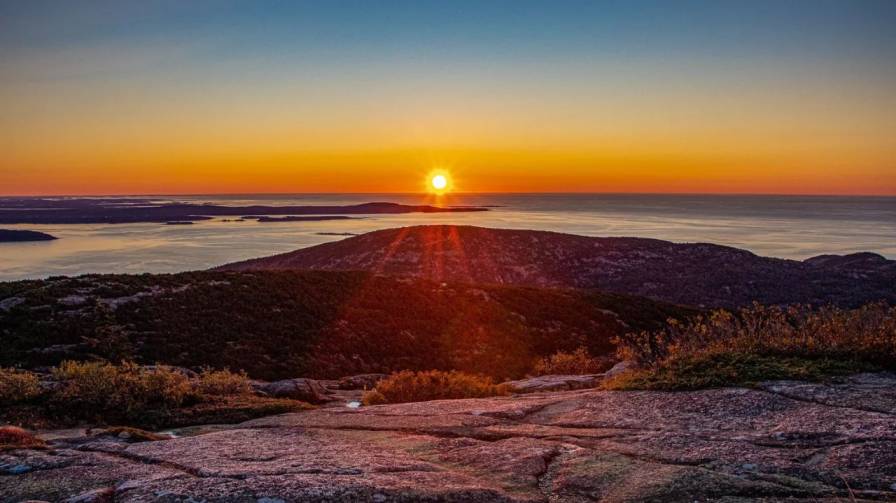
Cadillac Mountain is the highest point on the eastern seaboard of the United States. From late spring to early fall, it is the first place in the country to catch the sunrise. The view from the summit looks out over Frenchman Bay and the Porcupine Islands. The light at dawn turns the granite pink and the best photography spots in Acadia National Park.
There is one big catch. From mid-May to late October, you need a vehicle reservation to drive up the summit road for sunrise. You must book this online in advance. The reservation system opens a few days ahead and spots go fast. If you do not get a reservation, you can still hike or bike up. The South Ridge Trail is a steady climb that takes about an hour and a half. Walking up does not require a reservation . If you are not set on Cadillac, the Gorham Mountain Trailhead offers a shorter climb to an open ridge with similar morning light and far fewer people.
Read Also: How To Photograph Coastal Landscapes
Bass Harbor Head Light
This lighthouse is the most photographed spot in the park. The light station sits on a cliff at the southern tip of Mount Desert Island. The classic shot is taken from the rocks below the light, looking up at the tower with the ocean behind it. The best light happens in the last hour before sunset. That is when the sun hits the west side of the tower and makes it glow .
Parking is the main problem here. The lot is very small. It fills up fast, especially in summer and early fall. Even on a quiet November weekend, you may find only a couple of open spots an hour before sunset. Your best bet is to arrive very early in the morning or visit in the off-season. The walk down to the rocks involves stairs and some scrambling. Wear shoes with good grip.
Jordan Pond and the Bubbles
Jordan Pond is a calm lake with two rounded mountains behind it called the Bubbles. On a still morning, the water reflects the mountains perfectly. This is one of the most peaceful scenes in the park. The best time to shoot here is early morning before the wind picks up. Once the wind starts, the reflection is gone.
The shoreline has large rocks that make a strong foreground for your photo. You can place these rocks at the bottom of your frame and let them lead the eye toward the Bubbles across the water . The pond is also a public drinking water supply, so stay out of the water and keep your gear on the shore . The Jordan Pond House nearby is famous for popovers, but it gets very crowded later in the day.
Ocean Path and Otter Cliff
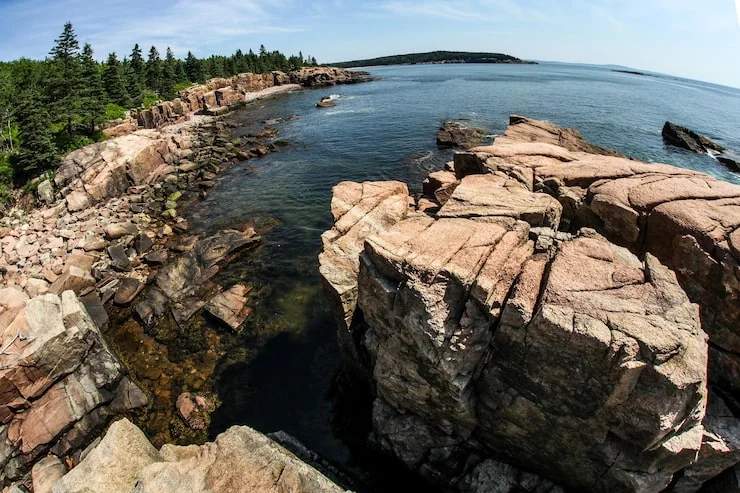
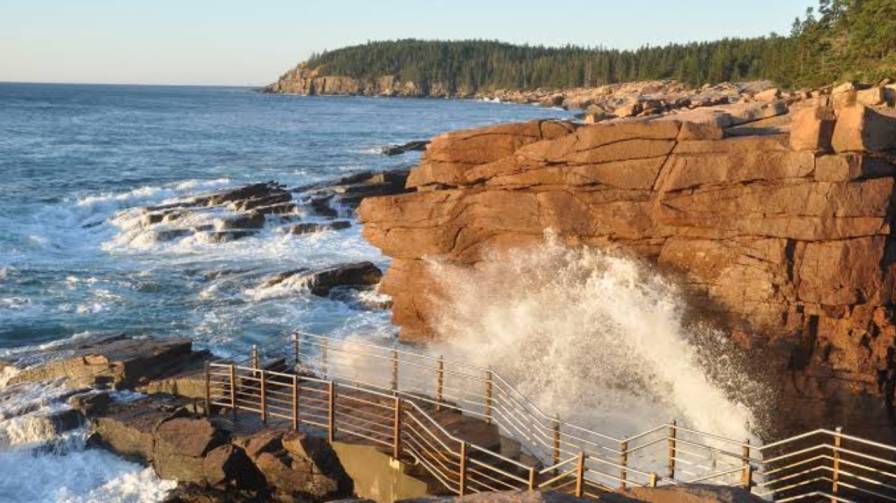
The Ocean Path is a flat trail that runs along the coast between Sand Beach and Otter Point. It passes through some of the most dramatic shoreline in the park. Otter Cliff is a tall granite wall that drops straight into the sea. The cliffs face east, so they catch the first light of the day. Sunrise to mid-morning is the best window here .
The pink granite along this coast is special. It looks soft in the early light. If you visit on a foggy day, do not be disappointed. Fog adds mood and depth to coastal photos. A long lens can compress the scene and make the waves and rocks feel closer together. Watch your footing. The rocks can be wet and slippery. Stay on the granite and off the vegetation. The soil on the coast is thin and takes years to recover from footsteps .
Duck Brook Bridge
Not every great photo in Acadia is of a mountain or the ocean. Duck Brook Bridge is a three-arch stone bridge in the carriage road system. It is shaded by trees for most of the day. This makes it a good option when the sun is high and harsh. You can shoot the bridge from the stream below. The stonework is beautiful and the arches frame the water.
The bridge is a short walk from the parking area. It is a quiet spot compared to the coast. You might have it to yourself. This is a good place to practice slower, more careful compositions. Look for small details. The way the water flows under the arches. The texture of the stone. The ferns growing on the banks. It is a different kind of Acadia photo, and that is why it is worth your time .
Bar Island at Low Tide
For a few hours around low tide, a natural land bridge appears from Bar Harbor to Bar Island. You can walk across the ocean floor. The bar is only exposed when the tide is out. The rest of the time it is underwater . This is a unique photo opportunity. You can shoot the exposed rocks and tide pools, or turn around and photograph the town of Bar Harbor from the island.
Check a tide chart before you go. The window is about an hour and a half on either side of low tide. Do not stay on the island too long. The water comes back fast and you can get stranded. The light is good here in the early morning when the harbor is still and the tour boats have not started moving .
Somesville Bridge
Just outside the park boundary in the village of Somesville, there is a small white footbridge over a stream. It is a simple, pretty scene. The bridge reflects in the water below. It is a quiet spot that does not require a hike. It is a good place to stop if you are driving between other locations. The bridge is a favorite for photos because it is charming and easy to access.
You May Also Like: BNW Photography How To Edit With Zone System: The Zone System Approach
Practical Tips for Photographers
There are a few rules and tips that will make your trip smoother. First, drones are not allowed in Acadia. You cannot launch, land, or operate one anywhere in the park. This is the best photography spots in Acadia National Park.
Second, respect the vegetation. The park asks visitors to stay on durable surfaces like granite and trails. The alpine plants on the summits are fragile and take decades to grow back. The cairns you see marking trails are there for a reason. Do not build new ones or move them .
Third, check the tide. This is especially important for Bass Harbor, Bar Island, and any shoreline spot. High water can block access or make rocks dangerous. Low water opens up new compositions and tide pools. A tide chart is as important as your camera.
Fourth, be patient with crowds. Acadia is popular. The famous spots like Cadillac and Bass Harbor get busy. If a spot is too crowded, move on. There are many lesser-known pullouts and trails. Sometimes the best photo is the one you find by yourself on a quiet stretch of road.
Finally, think about the season. Late September and early October are ideal. The air is clear, the sun is low, the foliage turns color, and the crowds are thinner than in summer . Winter offers empty roads and snow on granite, but much of the loop road closes to cars. You will need to walk in. Spring and summer bring green forests and warmer weather, butalso more people and more fog.
Acadia rewards photographers who plan but also stay flexible. The weather changes fast on the coast. A foggy morning can turn into a clear afternoon. A sunny day can end with a dramatic storm. The best images often come when you are ready for something you did not expect. Bring a tripod, bring a rain cover, and give yourself time to watch the light change. The park is small, but you will never run out of things to see.